

Consumer-centric lighting approach in retail.
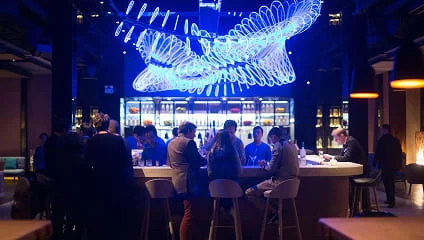
This article shares insights from Mr. Damian de Wind, Lighting Director at Mondoluce, about the journey of transforming lighting methods in retail. It explores the shift toward a consumer-centric lighting approach in shopping centers, focusing on people, their needs, and the overall experience.
With experience in providing suitable lighting solutions for commercial projects based in Perth, Mr. Damian applied a case study approach to analyze the complex lighting layout of one of Perth’s leading complexes, Karrinyup Shopping Centre, in order to highlight promising trends in retail lighting practice.
“As American director and visual artist Aaron Rose once said: ‘Light, when used at the right moment, can make the ordinary extraordinary.’”
What is retail lighting?
In simple terms, retail lighting is the activity of designing and specifying lighting fixtures as well as their placement to illuminate retail spaces and highlight products or store areas. Thoughtful lighting design is a key factor in the success of any retail complex, as it ensures sufficient illumination for walkways while creating an environment attractive enough to draw customers. However, one of the most common mistakes we often see in retail lighting is focusing solely on brightness. This approach can lead to a “lighting war,” where every store competes to be the brightest, resulting in over-illumination in the overall lighting layout. As a consequence, the retail lighting system fails to address other important factors such as visual appeal, emotional impact, and customer experience.
As Aaron Rose, American director and filmmaker, said: “The right light at the right time can make the ordinary become extraordinary.” As the lighting industry shifts toward a human-centric approach, we also observe a transformation in retail lighting methods when shopping centers adopt consumer-focused strategies that prioritize people, their needs, and the overall experience. According to Zaltman (2003), 95% of purchasing decisions stem from subconscious triggers and emotions, which drive buying behavior and decisions. Therefore, creating a memorable customer journey requires a comprehensive approach that shapes the retail experience to stimulate all five senses.
One of the most important elements in shaping a space’s visual perception is lighting. As the centerpiece of a store layout strategy, lighting defines the appearance of a store or complex and influences consumers’ perceptions of the space. Shopping center lighting demands a comprehensive understanding of the retail journey, from entrances to key stopping points such as dining areas and restrooms, all the way to exits through parking lots or vehicle drop-off zones. Lighting at these points can help guide customers, while creating a comfortable yet engaging atmosphere that encourages positive experiences.
Other News
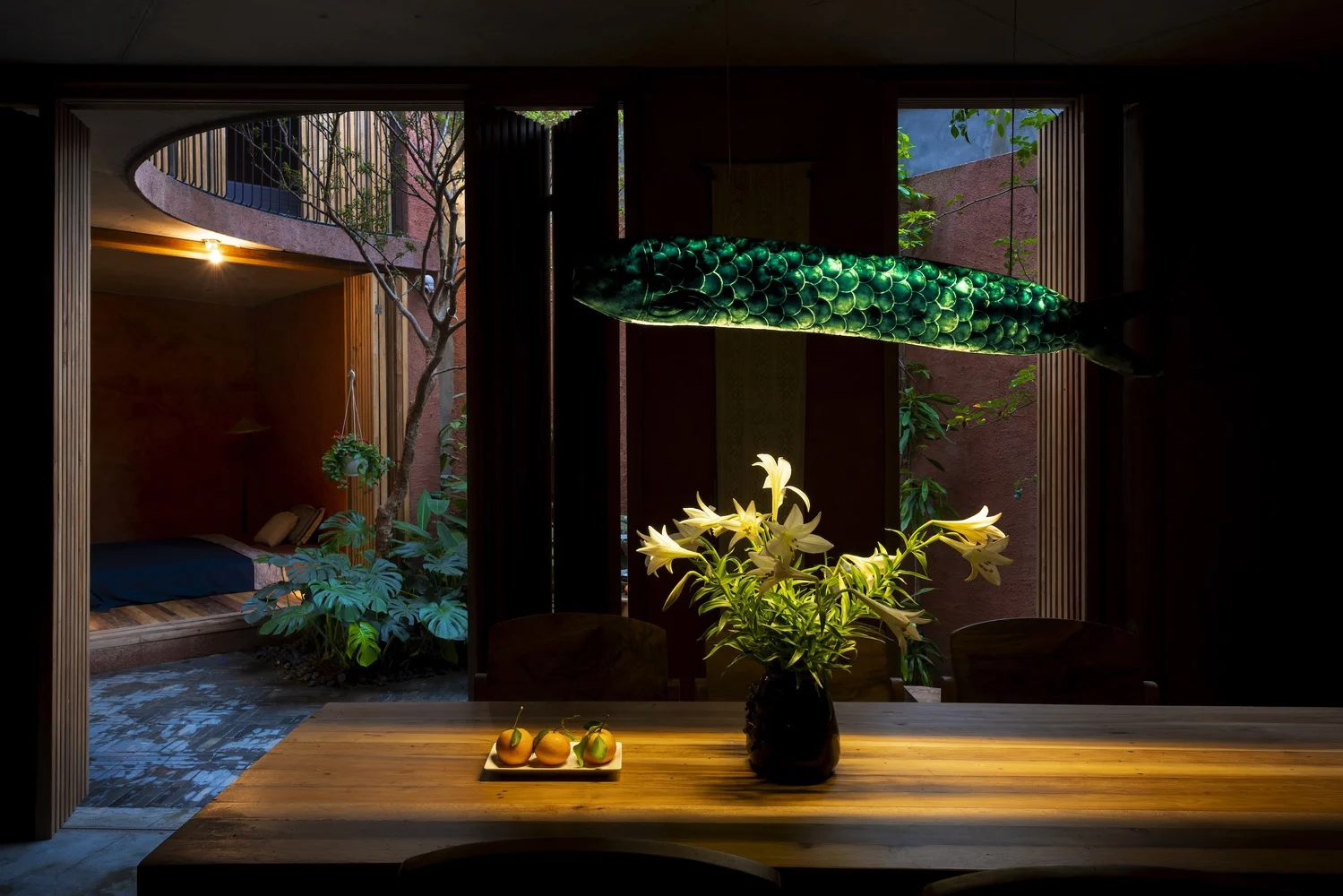
In interior design, lighting is more than just a tool that helps us see. It is a “language of emotion” — quietly shaping mood, perception, and the overall quality of human experience in every moment. Among all lighting specifications, CCT (Correlated Color Temperature) and CRI (Color Rendering Index) are the two core factors that determine […]
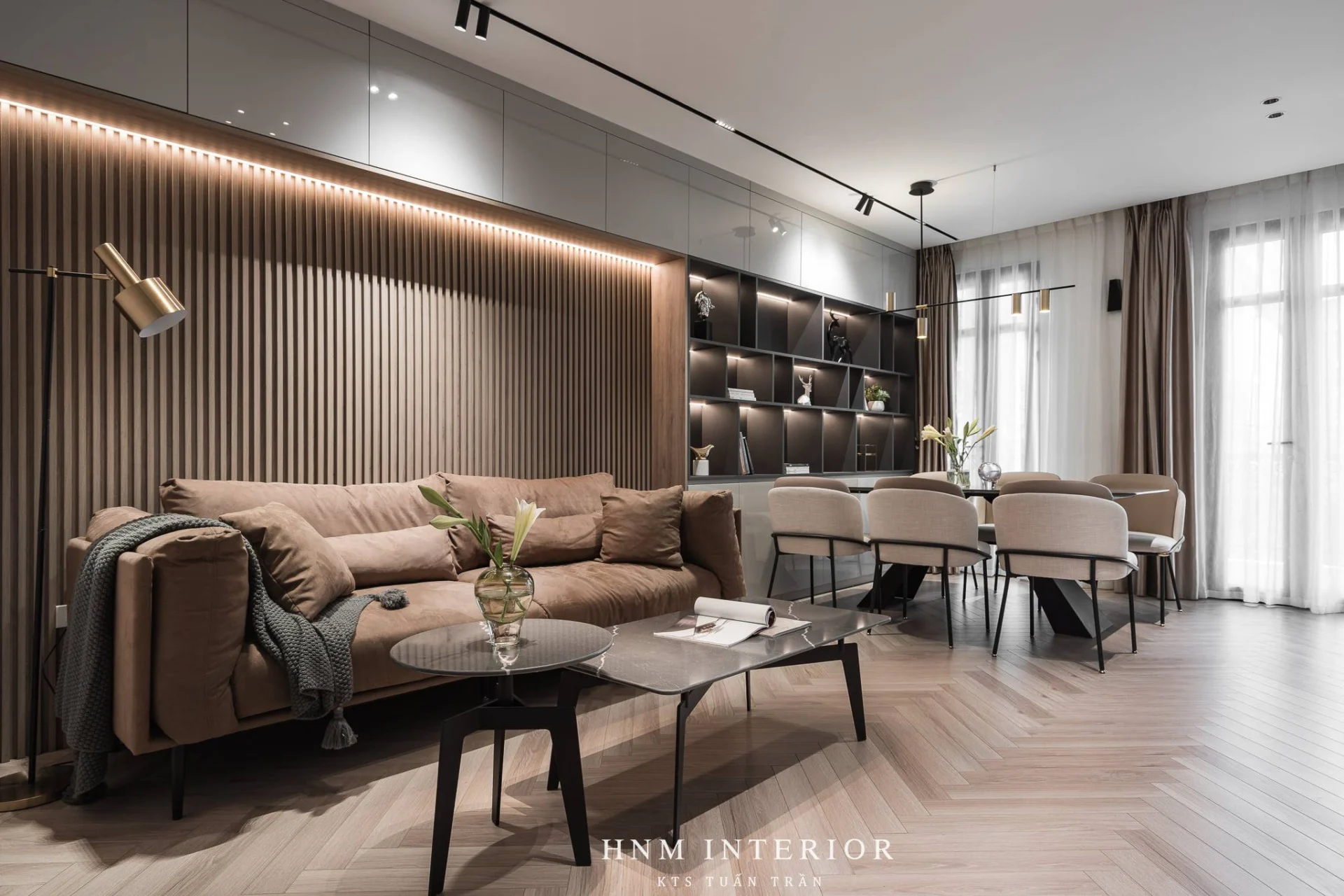
Những năm gần đây, xu hướng sở hữu nhà ở nghỉ dưỡng tránh xa ồn ào nơi phố thị đang ngày càng được ưa chuộng.
In recent years, the trend of owning vacation homes away from the hustle and bustle of the city has become increasingly popular.
Light plays a crucial role in creating engaging environments, enhancing our living experiences.
In recent years, the trend of owning vacation homes away from the hustle and bustle of urban life has become increasingly popular.
In this article, Universal Light is honored to have a conversation with Ms. Fanny Soulard, a lighting designer with extensive experience in the field.
In this article, Universal Light is honored to have a conversation with Ms. Fanny Soulard, a lighting designer with extensive experience in lighting.
In recent years, the trend of owning resort-style homes away from the hustle and bustle of the city has become increasingly popular.
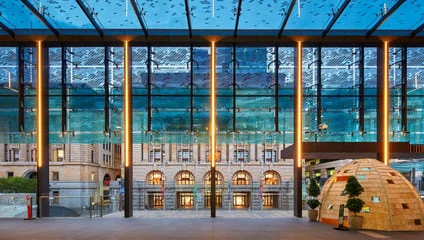
This article shares insights from Mr. Damian de Wind, Project Lighting Director at Mondoluce, about the journey of transforming retail lighting methods in the context of shopping centers adopting a customer-centric approach, focusing on people, their needs, and the overall experience.
Bài viết này trình bày chia sẻ từ ông Damian de Wind, Giám đốc chiếu sáng dự án của Mondoluce, về hành trình chuyển đổi phương pháp chiếu sáng trong bán lẻ giữa bối cảnh các trung tâm mua sắm áp dụng phương pháp chiếu sáng lấy khách hàng làm trung tâm để tập trung vào con người, nhu cầu và trải nghiệm tổng thể.
Light plays an essential role in creating engaging environments, helping us enhance our living experiences.
In recent years, the trend of owning resort-style homes away from the hustle and bustle of the city has become increasingly popular.