

Exploring Interculturalism and Lighting Design
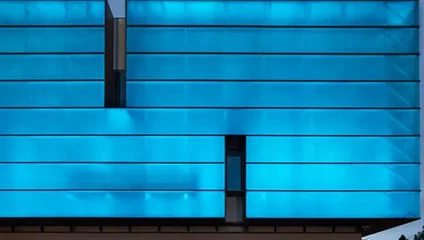
In this article, Universal Light is delighted to have a conversation with Ms. Fanny Soulard, a lighting designer with extensive experience in lighting and architecture around the world at Aurecon. Throughout her career, Ms. Fanny has worked in many different countries, each with its own unique culture and design sensibilities.
Through this conversation, Universal Light seems able to recognize the special role of interculturalism in Fanny’s lighting design world. With that premise, this article is based on Fanny’s personal perspectives and experiences, as well as her deep insights into the importance of interculturalism in lighting design.
My own design career has been shaped by countless experiences, clearly reflecting the influence of diverse cultures on lighting design. My first step into the world of lighting was working for a lamp manufacturer. From there, I began to engage with various fields, working with architectural studios, electrical material suppliers, lighting design studios, and eventually the engineering firm Aurecon. Each step provided an opportunity to explore different types of projects and new professional environments across countries such as Spain, Argentina, Mexico, France, Australia, and now Vietnam.
At first glance, my journey may seem full of random twists and turns, but in reality, opportunities and a desire to connect with corporate cultures that shared my values have been my guiding compass. Economic factors also played a part in my decisions, such as moving to Mexico in 2009 during the financial crisis, and relocating to Vietnam in 2020 amid the COVID-19 pandemic. Nevertheless, I consider myself fortunate to have gained a multidisciplinary perspective through these diverse experiences.
The Significance of Interculturalism
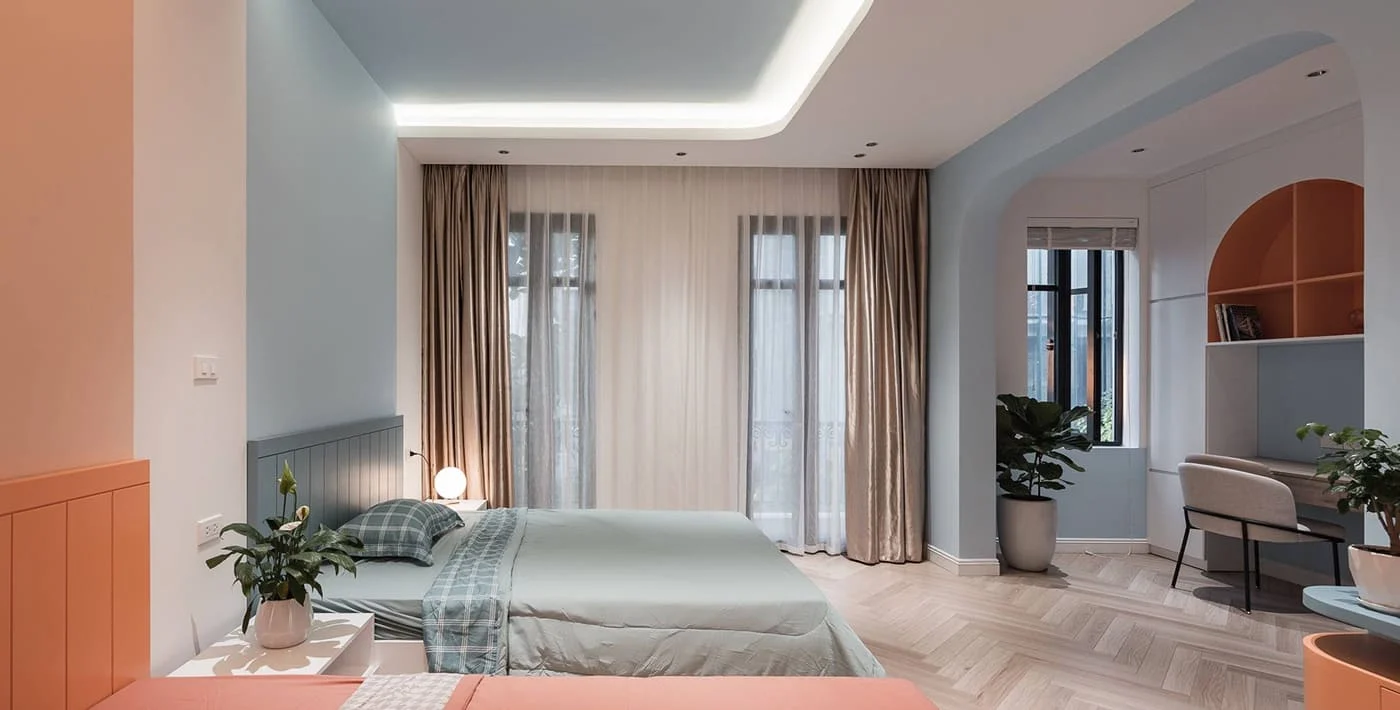
Culture is like a rich, vibrant tapestry that profoundly shapes our perception of light. Each culture pursues different values and aesthetic preferences; what is considered beautiful or appropriate in one context may be seen as offensive or unsuitable in another. To navigate this, we must not only apply technical expertise but also engage in cultural assessment.
For instance, when working with an Italian company, I noticed their preference for bright white tones, especially in heritage projects, as they consider this color elegant and precise. In contrast, Mexican clients lean toward lively, vibrant living spaces, viewing pure white as somewhat bland. Addressing these cultural differences represents a significant challenge in the creative industry. We must adapt to satisfy the expectations and tastes of each culture, avoid overused clichés, and create spaces that resonate with their users.
Awareness and understanding of culture are key to solving this challenge. It is crucial to recognize the many possibilities, interpretations, and optimization methods available. This provides a foundation for creating designs that are not only aesthetically pleasing but also deeply imbued with cultural identity.
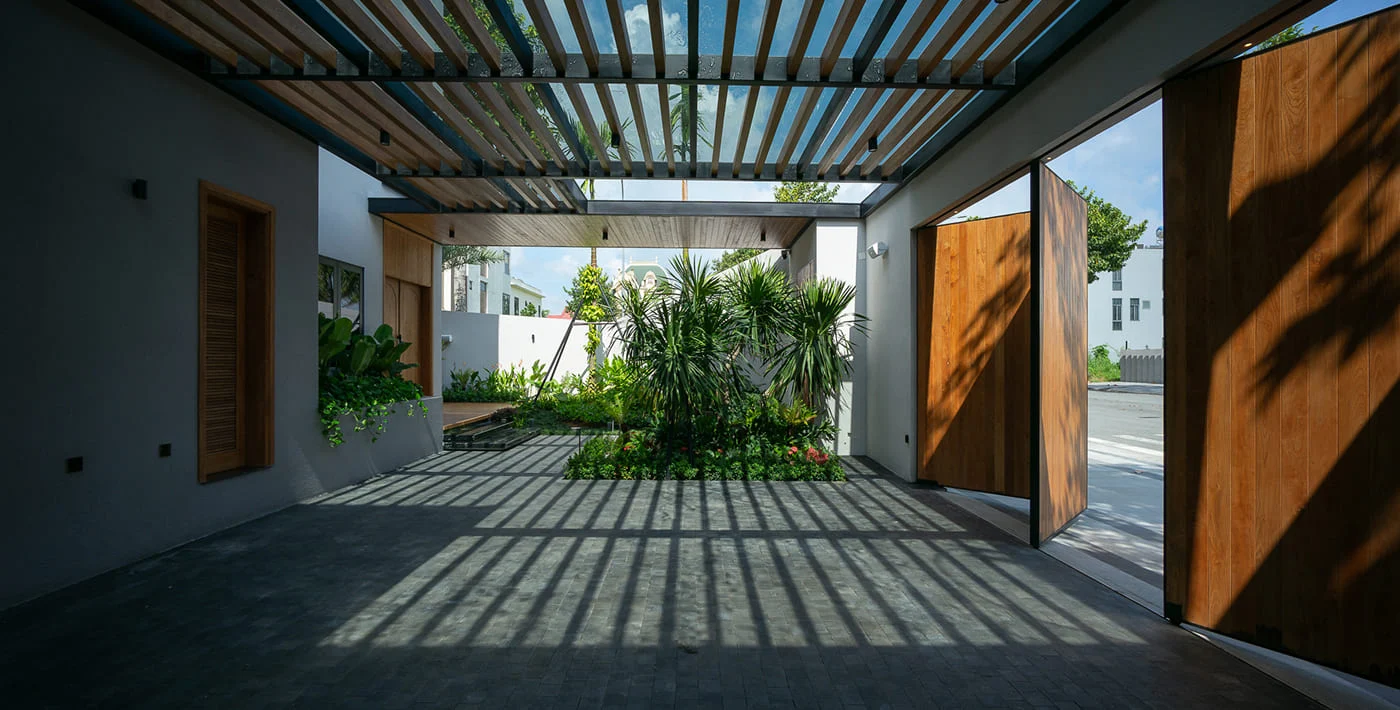
“In a world that values diversity and cultural exchange, our role as lighting designers goes beyond merely illuminating spaces; we must understand and respect the rich tapestry of colors and traditions from the cultures around us. For contemporary lighting designers, interculturalism is not just a concept—it is a way of life.”
Differences in Lighting Design Experiences
In the early years of my career as a lighting designer, I did not fully grasp the extent of cultural differences between colleagues and clients. Beyond the usual challenges of miscommunication due to language barriers, I also encountered deeper cultural conflicts as my career progressed.
When my career reached a new stage and I began training less experienced colleagues in Vietnam, I realized something crucial: my previous training methods—based on field research, book introductions, attending conferences, and factory visits—were not easily applicable in the Vietnamese context. This experience forced me to recognize the limitations of approaches built solely on knowledge and subjective experience from other contexts, rather than the specific realities in Vietnam.
To bridge this gap, we had to establish common reference points, clarify definitions of terminology, concretize objectives, and develop efficient collaboration processes. I realized that I could not expect colleagues to automatically understand everything the same way I did. Even with extensive experience, no one can fully master a field, especially in a new project environment and cultural setting. Therefore, listening and absorbing diverse opinions is invaluable for guiding project content and facilitating information exchange. This experience helped me gain a more comprehensive perspective and integrate different approaches into my design strategy, while also appreciating the significance of context and the viewpoints of each location.
Differences in Project Conditions
The project conditions of each culture can vary greatly, and I have personally witnessed these differences throughout my lighting design journey. A notable example is the Ba Na Hills Resort project in Da Nang, carried out in collaboration with the Paris-based lighting design studio Concepto.
During the project’s conceptual phase, we exchanged many abstract ideas, which led to confusion and misunderstandings between the client and both teams. However, we learned from our mistakes and arranged an intermediate site visit during the construction phase. This decision stemmed from the fact that we had been supervising the project mostly from afar, and it turned out that direct, on-site interaction was crucial for effectively communicating our expectations and addressing site-specific constraints.
Other News
In interior design, lighting is more than just a tool that helps us see. It is a “language of emotion” — quietly shaping mood, perception, and the overall quality of human experience in every moment. Among all lighting specifications, CCT (Correlated Color Temperature) and CRI (Color Rendering Index) are the two core factors that determine […]
Những năm gần đây, xu hướng sở hữu nhà ở nghỉ dưỡng tránh xa ồn ào nơi phố thị đang ngày càng được ưa chuộng.
In recent years, the trend of owning vacation homes away from the hustle and bustle of the city has become increasingly popular.
This article shares insights from Mr. Damian de Wind, Project Lighting Director at Mondoluce, about the journey of transforming retail lighting methods in the context of shopping centers adopting a customer-centric approach, focusing on people, their needs, and the overall experience.
Light plays a crucial role in creating engaging environments, enhancing our living experiences.
In recent years, the trend of owning vacation homes away from the hustle and bustle of urban life has become increasingly popular.
In this article, Universal Light is honored to have a conversation with Ms. Fanny Soulard, a lighting designer with extensive experience in the field.
In this article, Universal Light is honored to have a conversation with Ms. Fanny Soulard, a lighting designer with extensive experience in lighting.
In recent years, the trend of owning resort-style homes away from the hustle and bustle of the city has become increasingly popular.
This article shares insights from Mr. Damian de Wind, Project Lighting Director at Mondoluce, about the journey of transforming retail lighting methods in the context of shopping centers adopting a customer-centric approach, focusing on people, their needs, and the overall experience.
Bài viết này trình bày chia sẻ từ ông Damian de Wind, Giám đốc chiếu sáng dự án của Mondoluce, về hành trình chuyển đổi phương pháp chiếu sáng trong bán lẻ giữa bối cảnh các trung tâm mua sắm áp dụng phương pháp chiếu sáng lấy khách hàng làm trung tâm để tập trung vào con người, nhu cầu và trải nghiệm tổng thể.
Light plays an essential role in creating engaging environments, helping us enhance our living experiences.