

Trimmed vs Trimless Recessed Lights: Which to Choose?
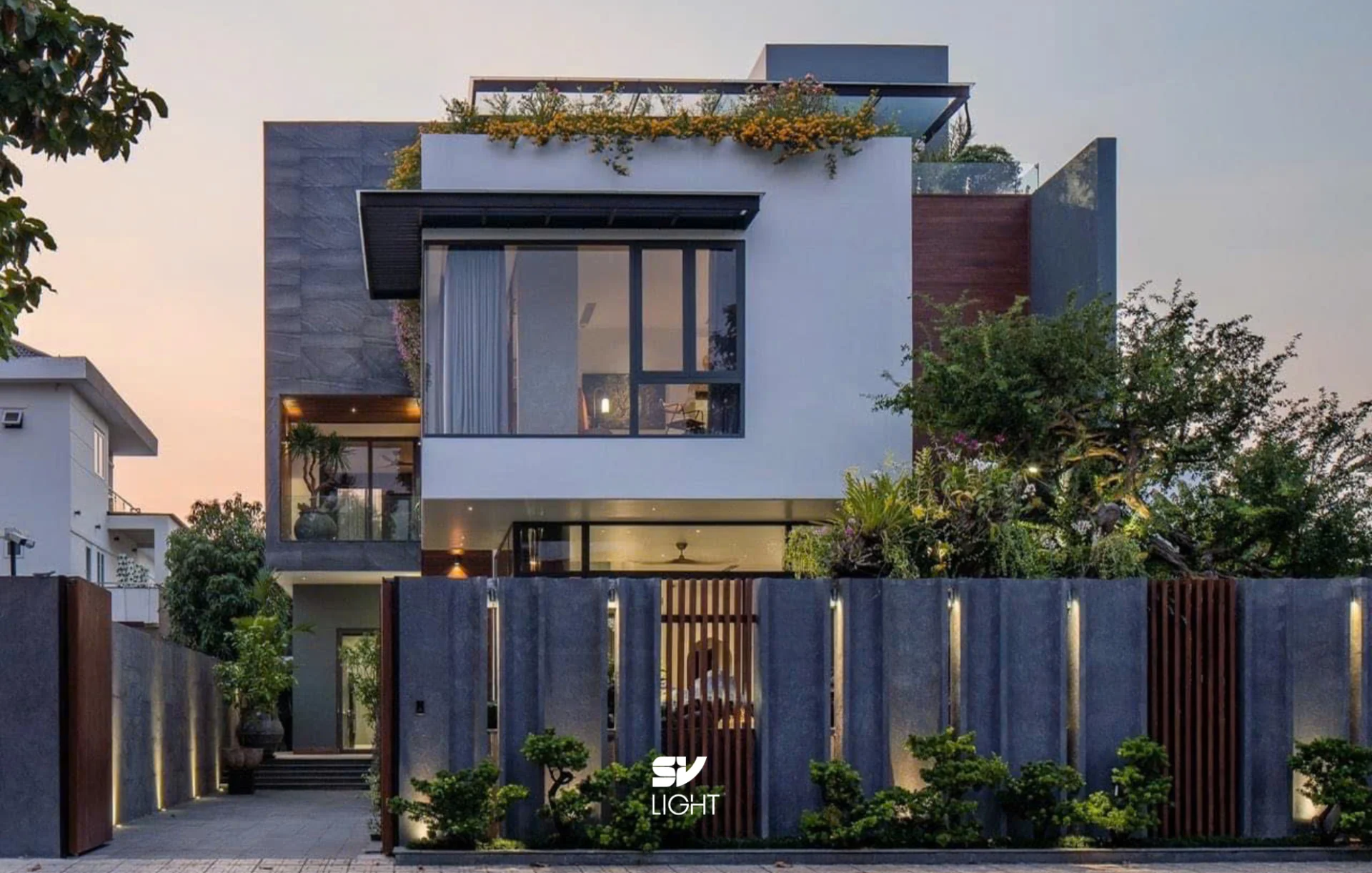
Trimmed and trimless recessed lights are two options commonly considered by architects when designing interior lighting. While trimmed recessed lights create a defined edge where the fixture meets the ceiling, trimless recessed lights provide a seamless, minimalist appearance by reducing visible technical details on the architectural surface.
However, choosing between these two types of lighting involves more than aesthetics. Installation methods, plasterboard ceiling conditions, construction sequences, and maintenance accessibility can all influence the final decision. In particular, switching from trimmed to trimless recessed lights after the ceiling has been completed may require additional repair work, increase costs, and affect the project schedule.
So, when should architects choose trimmed or trimless recessed lights? What information should be prepared before installation? This article compares the two options in terms of design, technical requirements, costs, and maintenance, while introducing selected SVLight luminaires for modern interior projects.
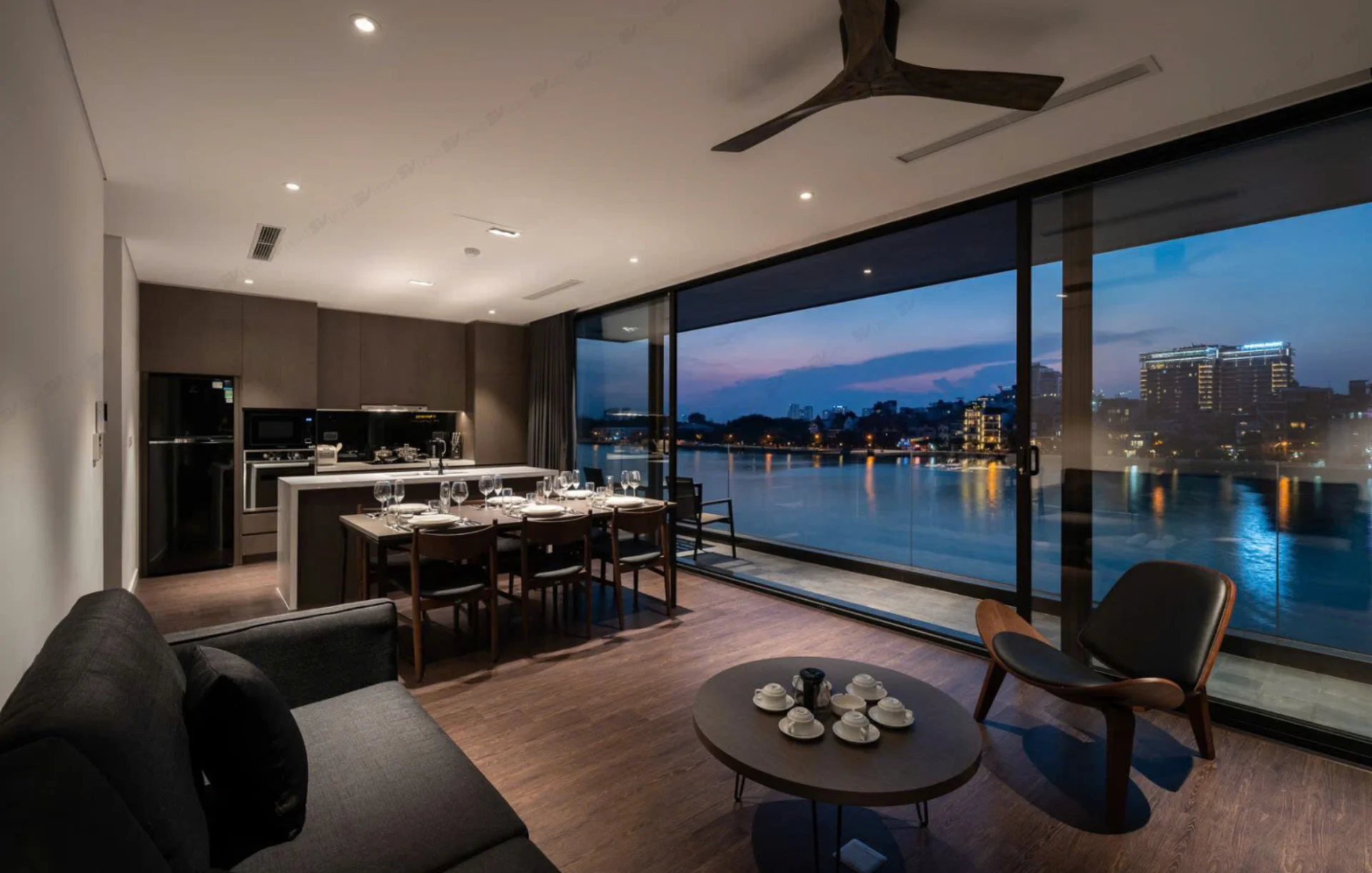
What Is the Difference Between Trimmed and Trimless Recessed Lights?
The most noticeable difference between these two types of luminaires lies in how the fixture meets the finished ceiling surface. Although this may seem like a minor detail, it can influence the overall architectural appearance, installation method, and procedures required when replacing equipment.
Characteristics of Trimmed Recessed Lights
Trimmed recessed lights typically feature a visible flange or cover surrounding the ceiling cutout. This trim creates a clear boundary between the luminaire and the finished ceiling surface. Depending on the product design, it may also conceal the edges of the ceiling opening within specified dimensional limits.
From an aesthetic perspective, trimmed luminaires do not necessarily make a space appear less refined. On white ceilings, matching white trims can create a subtle appearance. In contemporary interiors, black trims or other finishes may even become intentional design details, introducing a visual rhythm across the ceiling.
For renovation projects or interiors with completed ceilings, certain trimmed luminaires may be more convenient to install or replace. However, the ceiling cutout dimensions, installation depth, retaining clips, and accessibility of the LED driver should be verified before making a decision.
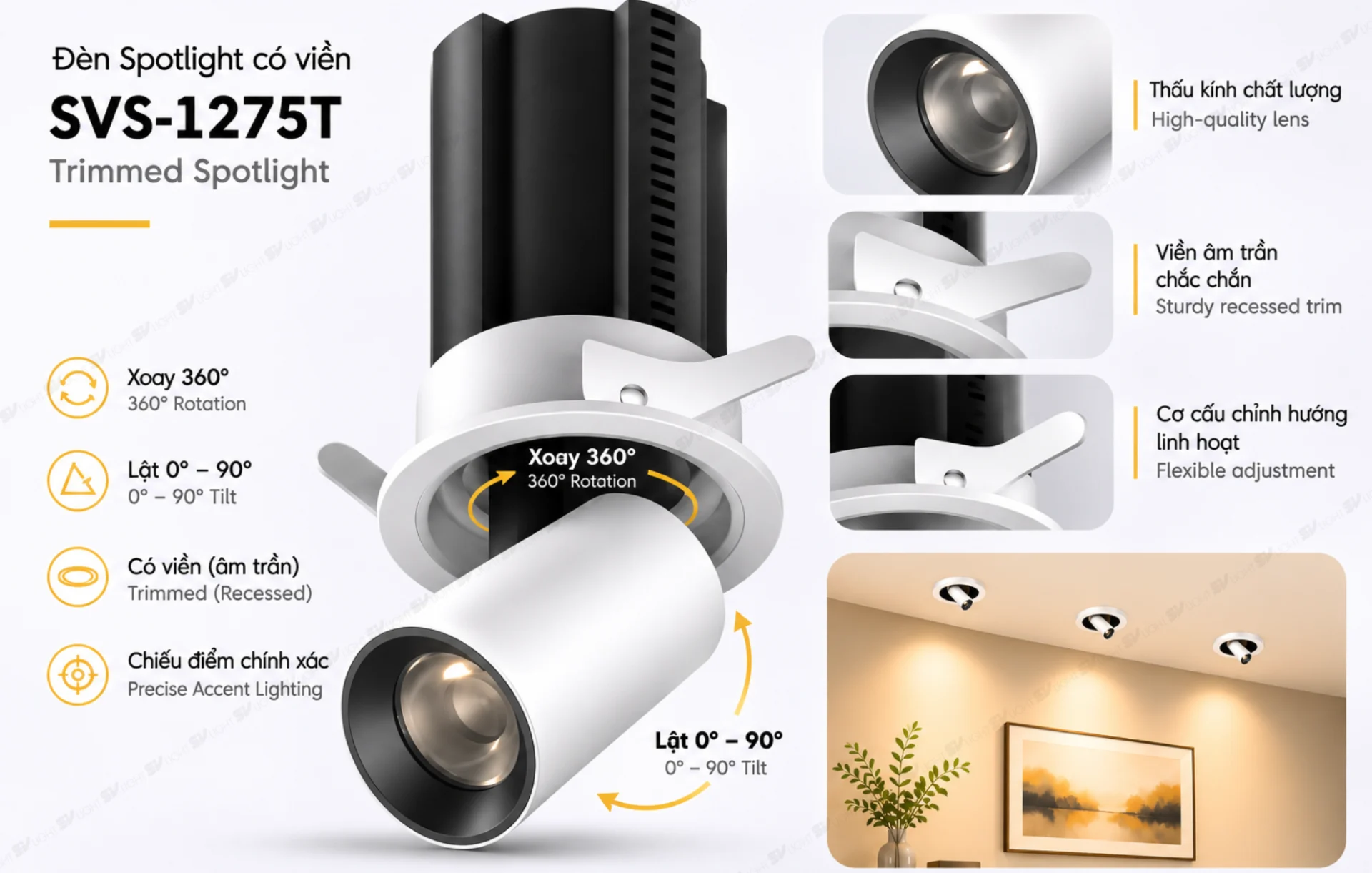
Within the SVLight product range, the SVS-1275T Adjustable Spotlight is an example of a trimmed recessed luminaire. The product has a published power rating of 12W, with beam angle options of 15°, 24°, and 36°. It may be considered for accent lighting applications involving artwork, decorative walls, or interior materials.
Characteristics of Trimless Recessed Lights
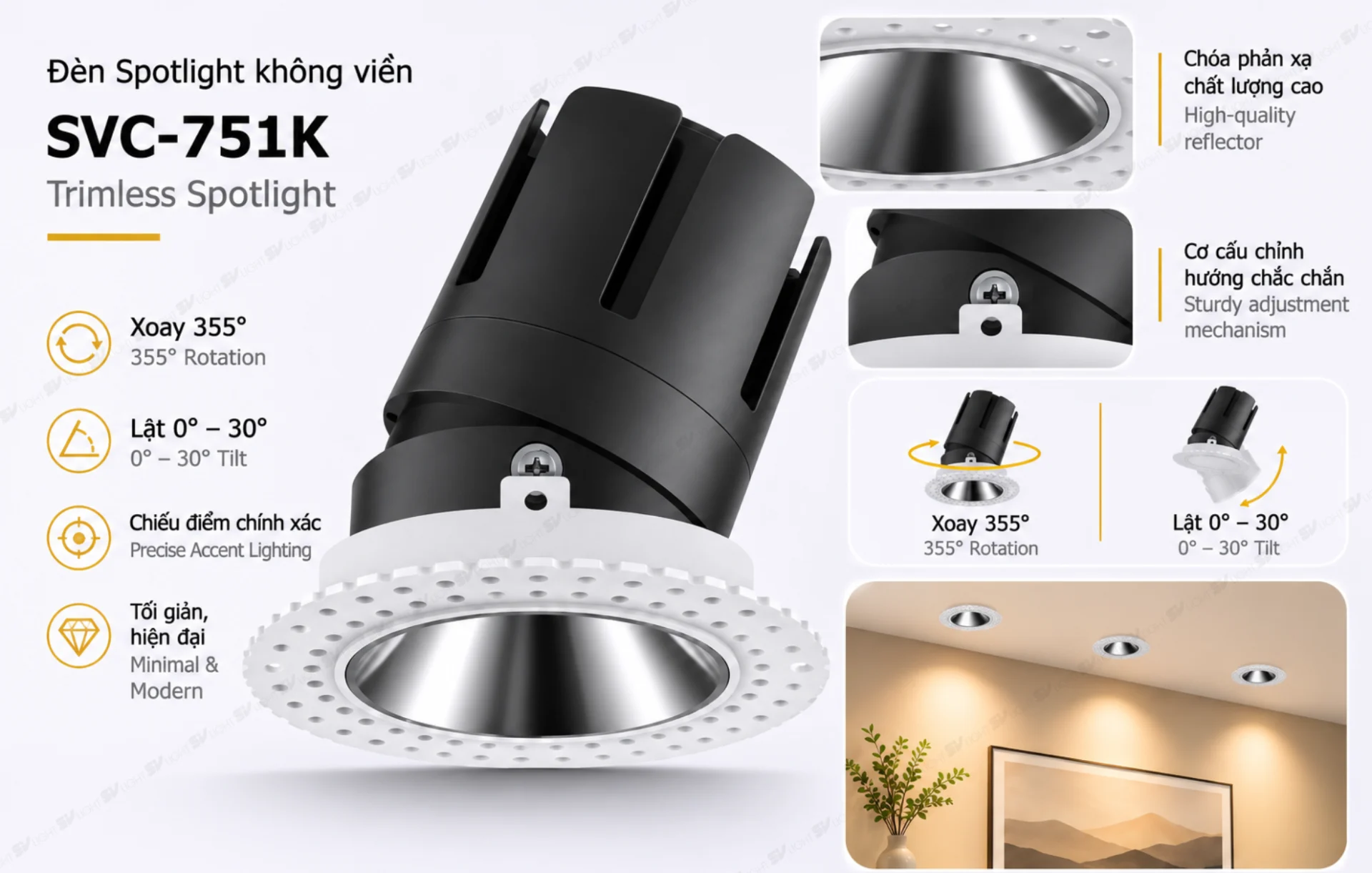
Trimless recessed lights are designed to minimize the appearance of the surrounding trim. When installed and finished correctly, the transition between the luminaire and the ceiling can blend into the architectural surface, creating the impression that the lighting is integrated into the architecture itself.
Thanks to their minimalist appearance, trimless recessed spotlights are often considered for villas, luxury apartments, hotels, and interiors where architects want to reduce visible technical details on the ceiling.
However, trimless luminaires may require different installation procedures from trimmed models. Some systems use recessed mounting frames that must be secured before plastering and painting. If the luminaire is selected too late, the construction team may need to modify an already completed ceiling.
SVLight offers the SVC-751K Trimless Spotlight, available with different power and beam angle options depending on the configuration. Its trimless design makes it worth considering for interiors requiring a clean, minimalist ceiling appearance.
It is important to note that not all trimless luminaires share the same installation structure. Before specifying a product in the design documentation, architects should confirm its dimensions, mounting frame, fixing method, and removal procedure using the technical documentation for the exact model.
Comparing the Two Options Before Making a Decision
When choosing between trimmed and trimless recessed lights, architects should evaluate several factors simultaneously. A solution that looks attractive in a design rendering may not be appropriate if it does not meet installation conditions or creates maintenance difficulties later.
| Criteria | Trimmed Recessed Lights | Trimless Recessed Lights |
|---|---|---|
| Aesthetics | Visible trim surrounding the luminaire | Designed to achieve a seamless ceiling appearance |
| Installation | Typically installed through a ceiling cutout using a retaining mechanism | May require a recessed frame and ceiling edge finishing |
| Equipment Selection Timing | Before cutting and installation | Preferably before ceiling finishing |
| Maintenance | Depends on the removal and installation mechanism | Requires confirmation of module removal and driver accessibility |
| Cost | Luminaire, accessories, and labor | May involve additional frames and finishing work |
| Applications | New construction and renovation, depending on conditions | Projects prioritizing minimalist ceilings and coordinated installation |
How Do Trimmed and Trimless Lights Affect Ceiling Appearance?
With trimmed luminaires, the fixture face becomes a visible detail on the ceiling. When multiple luminaires are arranged in rows or groups, these trims can establish a clear geometric rhythm within the space.
By contrast, trimless luminaires reduce the visual presence of lighting equipment on the ceiling surface. This effect is particularly suitable for contemporary interiors where architects want occupants to focus on materials, forms, and illumination rather than the visible fixture face.
However, trimless lighting should not automatically be considered aesthetically superior. If plastering, painting, or edge finishing is not executed accurately, imperfections may still be visible around the fixture. Therefore, ceiling finishing quality plays an important role in the final result.
What Should Be Prepared During Ceiling Installation?
For trimmed luminaires, the construction team should verify the ceiling cutout dimensions, installation depth, ceiling framing positions, and available space for the LED driver. Although the trim may conceal the cutout edge within its design limits, this does not mean the ceiling opening can be made without following the manufacturer’s specifications.
For trimless luminaires, the installation process may require additional steps to secure the mounting frame before plasterboard finishing. Depending on the product structure, the frame may be fixed at the designated position before the edges are treated with suitable finishing materials.
This is why selecting trimless recessed lights for plasterboard ceilings should be done early in the project. If the electrical contractor, plasterboard installer, and lighting supplier do not agree on the equipment configuration, the project may require frame modifications or repairs to an already painted ceiling.
When preparing construction drawings, architects should clearly specify the luminaire model, installation structure, and ceiling levels. Locations containing multiple building services above the ceiling should also be checked to avoid conflicts with framing members, pipes, or other equipment.
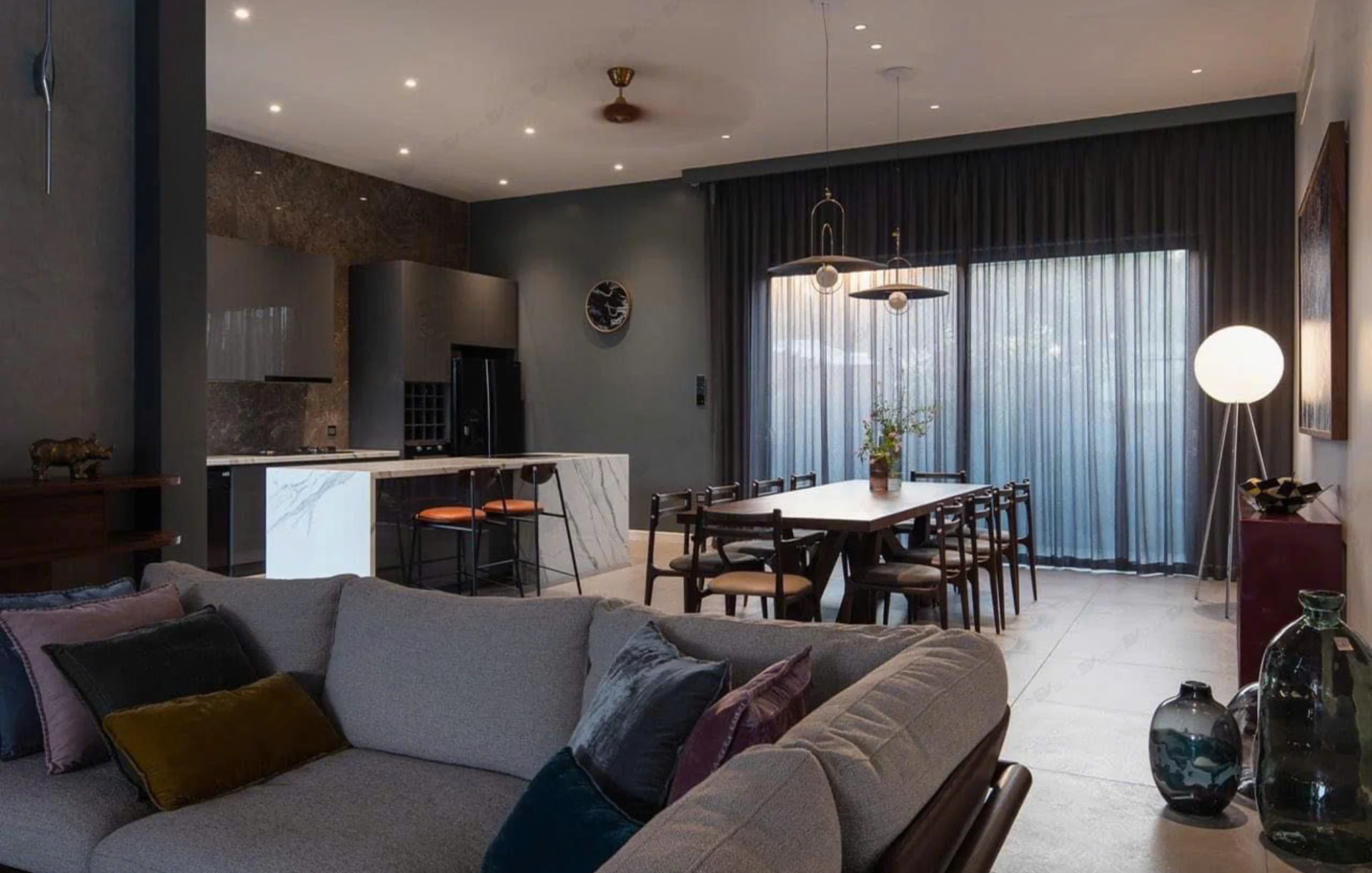
Removal, Replacement, and Maintenance Accessibility
How to maintain trimless recessed lights is an important consideration from the design stage. Many people assume that trimless luminaires are always more difficult to repair than trimmed models, but actual maintenance accessibility depends on the construction of each product.
Some trimless lighting systems are designed so that the LED module can be removed from below without disturbing the finished mounting frame. Other systems may require separate access points for replacing the driver or accessories.
For trimmed luminaires, certain designs use retaining clips that allow relatively convenient removal. However, maintenance can still become difficult if the driver is concealed or installed in a location that is hard to access.
Therefore, architects should request confirmation from the supplier regarding LED module replacement, driver removal, and protection of the finished ceiling. For premium projects, it is advisable to test the actual removal and installation procedures on a sample before proceeding with large-scale installation.
Key Questions to Check Before Finalizing the Maintenance Plan
- Can the LED module be removed from below the ceiling?
- Can the driver be replaced through the luminaire opening, or is a ceiling access panel required?
- Will removal or installation affect the plastered edges or painted finish?
- Are compatible replacement components and accessories available?
- Which technical document provides the maintenance procedure?
Factors Affecting Installation Costs
The cost of a recessed lighting system includes more than the purchase price of the luminaires. It also involves LED drivers, installation accessories, labor, ceiling finishing, and future maintenance requirements.
For trimmed luminaires, installation may be simpler in situations where the ceiling only needs an accurately sized cutout and the fixture can be secured using its standard retaining mechanism. However, the actual level of convenience still depends on existing ceiling conditions and product characteristics.
For trimless luminaires, certain systems may require specialized mounting frames and additional ceiling edge finishing, increasing the amount of installation work. Nevertheless, it cannot be assumed that every trimless model is more expensive, as product configurations and installation methods vary.
When comparing options, a total cost estimate should include equipment, accessories, installation, finishing, and potential additional work. This is particularly important for renovation projects or spaces where the ceiling has already been completed.
How to Choose Trimless Recessed Lights Based on Lighting Requirements
Choosing trimless recessed lights requires consideration of both aesthetic preferences and lighting functions. A living room may need ambient lighting for everyday activities while also using spotlights to highlight artwork, stone feature walls, or decorative objects.
Therefore, architects should clearly distinguish the functions of downlights and spotlights before selecting an appropriate trimless lighting configuration.
Trimless Downlights for Ambient Lighting
Trimless downlights may be considered for ambient lighting in spaces where a minimalist ceiling appearance is desired. Living rooms, bedrooms, corridors, and shared living areas can all use downlight solutions, provided that the specific lighting requirements are met.
When selecting luminaires, important factors include luminous flux, light distribution angle, illuminance, installation height, and glare control. A luminaire with an attractive appearance but unsuitable light distribution may still produce uneven illumination.
Color temperature should also be selected according to the room’s function and interior materials. For example, 3000K generally creates a warmer atmosphere, while 4000K produces a more neutral appearance. The final selection should be evaluated in the actual space using real material samples.
Importantly, a standard trimmed downlight should not be assumed convertible into a trimless model simply by removing its visible cover. The manufacturer must confirm that a supported trimless version and compatible installation structure are available.
Adjustable Trimless Spotlights for Accent Lighting
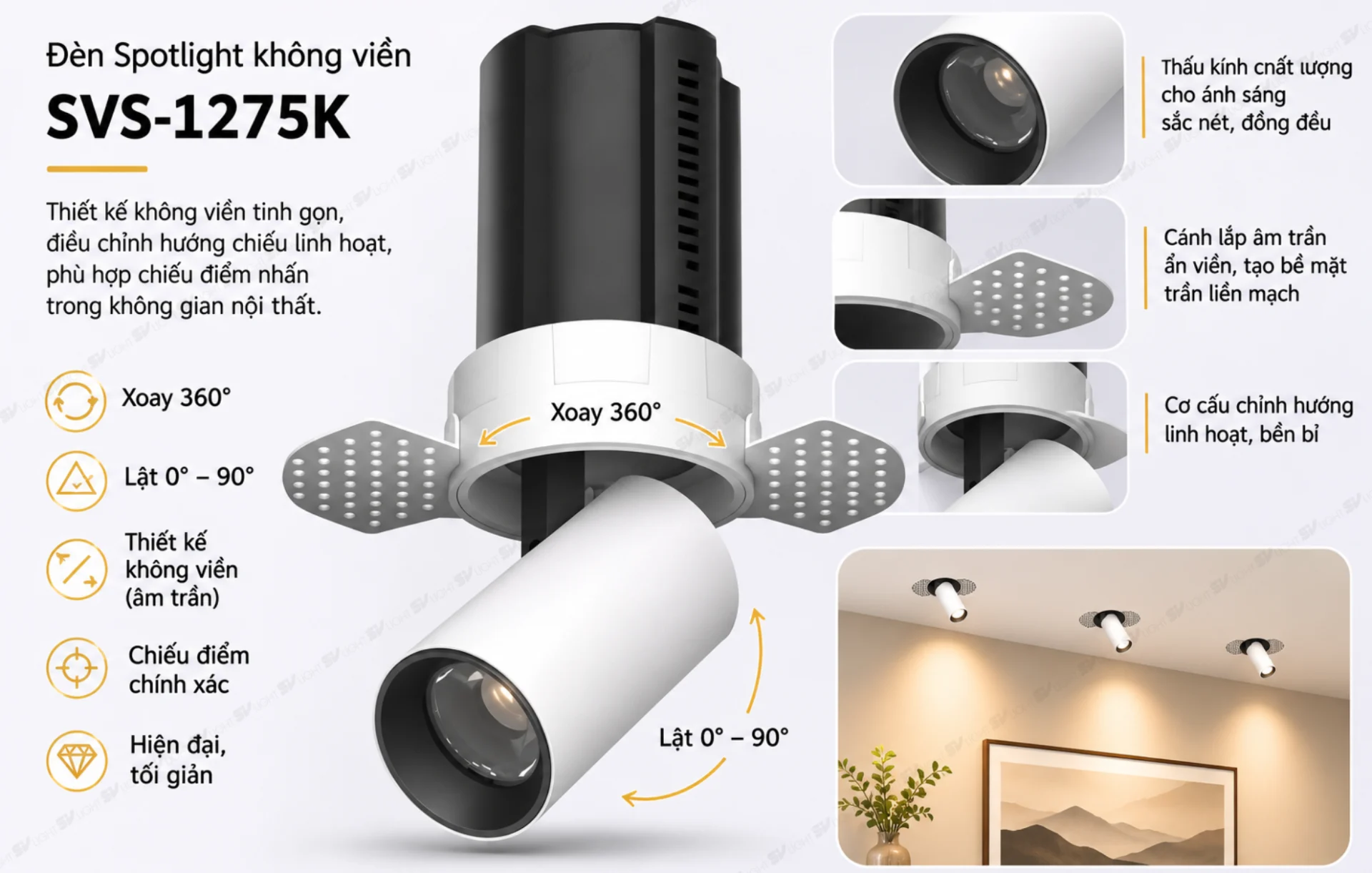
For areas requiring accent lighting on artwork, wooden feature walls, decorative stone, or artistic objects, adjustable trimless spotlights are worth considering. These luminaires combine a minimalist recessed design with the ability to direct light toward specific features.
Within the SVLight product range, the SVS-1275K Adjustable Trimless Spotlight has a power rating of 12W, with beam angle options of 15°, 24°, and 36°, according to its product specifications.
This model may be shortlisted for accent lighting applications in luxury apartments, villas, or fixed display spaces. However, architects should select the beam angle according to the object’s dimensions, ceiling height, and distance between the luminaire and the illuminated area.
It is important to distinguish between adjusting the luminaire’s aiming direction and changing its beam spread. The 15°, 24°, and 36° specifications typically represent beam angle options for different configurations, rather than continuous zoom adjustment between these values.
For areas containing glazed artwork or glossy surfaces, reflections should be evaluated from typical standing or seated viewing positions. When positioning spotlights, the objective is not only to provide sufficient illumination but also to maintain a comfortable viewing experience.
Selecting Trimless Recessed Lights for Plasterboard Ceilings
Selecting trimless recessed lights for plasterboard ceilings should be coordinated with the development of construction drawings and interior installation work. This is an important step in ensuring correct luminaire positions, appropriate ceiling structures, and high-quality finishes.
Information to Confirm Before Ceiling Finishing
Before construction begins, architects should confirm the luminaire model, wattage, installation dimensions, accessories, and power supply arrangements. Simply specifying “trimless light” on the drawings may leave the construction team without sufficient information about the actual installation structure.
For systems requiring recessed mounting frames, the frame dimensions, fixing positions, and surface finishing sequence should be confirmed. This information must be communicated to the plasterboard contractor before plastering and painting begin.
In addition, ceiling depth, framing positions, electrical systems, air-conditioning equipment, pipes, and other potential obstructions should be checked. For adjustable spotlights, the intended aiming direction must also fall within the product’s mechanical adjustment limits.
Ceiling cutout dimensions should not be determined solely from the visible diameter of the luminaire. For products using separate mounting frames or accessories, installation dimensions must be taken from the corresponding technical drawings.
Requirements to Confirm with Installation Contractors
Electrical and plasterboard contractors should agree on the installation sequence from the beginning. For trimless systems requiring recessed frames, frame installation generally needs to be completed before surface finishing, in accordance with the manufacturer’s instructions.
For projects with high aesthetic requirements, a sample installation should be completed to evaluate ceiling flatness, edge finishing quality, aiming direction, and maintenance accessibility.
Only after the sample has been approved should installation proceed across the remaining locations. This approach helps identify issues involving mounting structures, accessories, and contractor coordination before they affect larger ceiling areas.
Trimless Recessed Lighting Installation Checklist
- Confirm the exact luminaire model and installation accessories.
- Verify dimensions using the technical drawings.
- Check ceiling depth and framing positions.
- Agree on the sequence for frame installation, plastering, and painting.
- Confirm driver accessibility for future maintenance.
- Complete a sample installation before large-scale implementation.
- Keep records of approved configurations and installation inspection photographs.
Avoid applying plaster or paint over components designed to be removable. Incorrect finishing methods may compromise maintenance accessibility and result in additional repair work when LED modules or drivers need replacement.
When Should You Choose Trimless or Trimmed Recessed Lights?
There is no single solution that is universally suitable for every project. Choosing between trimmed and trimless recessed lights should be based on architectural requirements, construction progress, and maintenance convenience.
For Projects with Unfinished Ceilings and Seamless Design Requirements
For projects still in the design stage or with unfinished ceilings, trimless luminaires are worth considering when the client wants a minimalist interior with fewer visible lighting components on the ceiling.
In particular, trimless recessed lights for luxury apartments may be suitable for interiors featuring flat ceilings, refined finishing materials, and lighting systems integrated from the early design stage.
In villa or apartment living rooms, ambient lighting can be combined with trimless spotlights to highlight artwork, wooden feature walls, stone surfaces, or decorative objects. However, the number and arrangement of luminaires should be based on functional requirements, ceiling characteristics, and target illuminance levels.
Selecting the luminaire model and installation method early allows contractors to prepare mounting frames, electrical wiring, and necessary finishing procedures, reducing the risk of ceiling modifications near project completion.
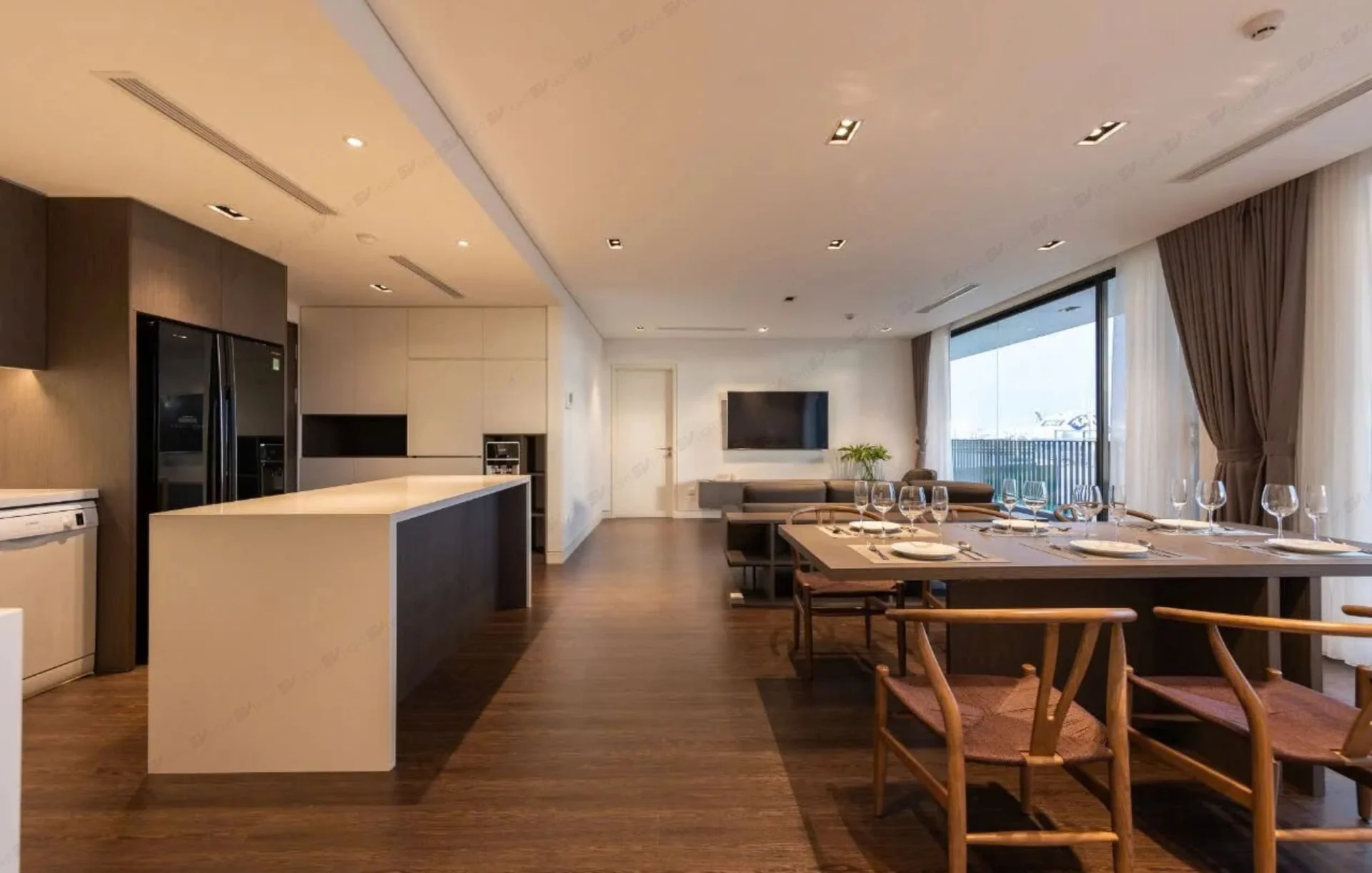
For Projects with Completed Ceilings or Limited Renovation Requirements
For projects with completed ceilings, trimmed luminaires are often worth considering when minimizing modifications to existing plasterboard is a priority. If the dimensions are compatible, the trim may conceal the edges of the ceiling opening, reducing the need for surface repairs in certain situations.
However, the existing cutout dimensions, luminaire face diameter, installation depth, and compatibility with the existing electrical system must be checked. It should not be assumed that every trimmed luminaire can directly replace an existing fixture.
If the client still prefers trimless luminaires, the design team should assess whether the ceiling can be modified, where mounting frames can be installed, and how much replastering and repainting will be required. These tasks should be included in the cost estimate before making a final decision.
For projects prioritizing quick maintenance, a solution with clearly documented removal and installation procedures should be selected. LED module replacement and driver accessibility must be evaluated for the specific product rather than relying solely on whether it is described as trimmed or trimless.
Overall, trimmed and trimless recessed lights each offer distinct advantages. Trimmed luminaires are often worth considering for renovation projects or installations where ceiling modifications should be minimized. Meanwhile, trimless luminaires offer the aesthetic advantage of a seamless appearance when they are properly designed and installed as part of a coordinated construction process.
For architects, an appropriate choice should meet lighting performance, aesthetic, installation, and maintenance requirements simultaneously. Confirming the exact luminaire model, mounting structure, and accessories during the design stage helps reduce risks, control costs, and maintain the quality of the finished project.
Recessed Lighting Consultation with SVLight
SVLight offers trimmed and trimless recessed spotlights, along with architectural lighting solutions for villas, apartments, hotels, and interior projects. Architects, design firms, and project owners can prepare ceiling drawings, installation heights, photographs of existing conditions, and lighting requirements to receive assistance in selecting suitable configurations.
Explore SVLight’s adjustable spotlight range or contact SVLight for lighting design consultation based on your aesthetic requirements and actual installation conditions.
SUNSHINE VIETNAM TRADING JOINT STOCK COMPANY
Branch 1: No. 08, B4 Street, An Khanh Ward, Ho Chi Minh City, Vietnam
Branch 2: No. 116 Truong Chinh Street, Kim Lien Ward, Hanoi, Vietnam
Hotline: 0985 85 86 98
Email: svlight.vn@gmail.com
Website: svlight.vn
Facebook Page 1: SVLight
Facebook Page 2: SVLight Ho Chi Minh City
Other News
Interior showroom lighting not only meets the needs of visibility and circulation but also helps highlight the shapes, colors, and materials of individual products. A well-planned lighting system can help customers clearly appreciate sofa upholstery, wood grain, stone surfaces, and important design details. In particular, showrooms frequently change their displayed products according to new collections […]
How to position artwork lighting directly affects how clearly artwork can be viewed and how an interior space is perceived. A beautiful painting can become a focal point in a villa living room, hotel corridor, or exhibition area. However, if the lighting position is unsuitable, it may cast shadows from the frame, create uneven illumination, […]
Color Rendering Index (CRI) is one of the important specifications to consider when selecting LED lighting for interior spaces, especially in areas where accurate color appearance is essential, such as artwork, wooden wall panels, natural stone, fabrics, and displayed products. Even a well-designed interior featuring beautiful materials and a carefully planned lighting layout may fail […]
3000K and 4000K lighting are two popular color temperature options in interior lighting design. While 3000K generally produces a warm white appearance, 4000K provides a more neutral white light. However, choosing between these two color temperatures is not simply a matter of deciding between yellowish and white light. It also requires careful consideration of functionality, […]
Spotlight beam angle determines the spread of a light beam and affects the illuminated area on artwork, decorative objects, interior shelves, and display spaces. At the same installation distance, a 15° beam angle can produce a significantly smaller illuminated area than a 36° or 55° beam angle. Therefore, selecting the right spotlight should begin with […]
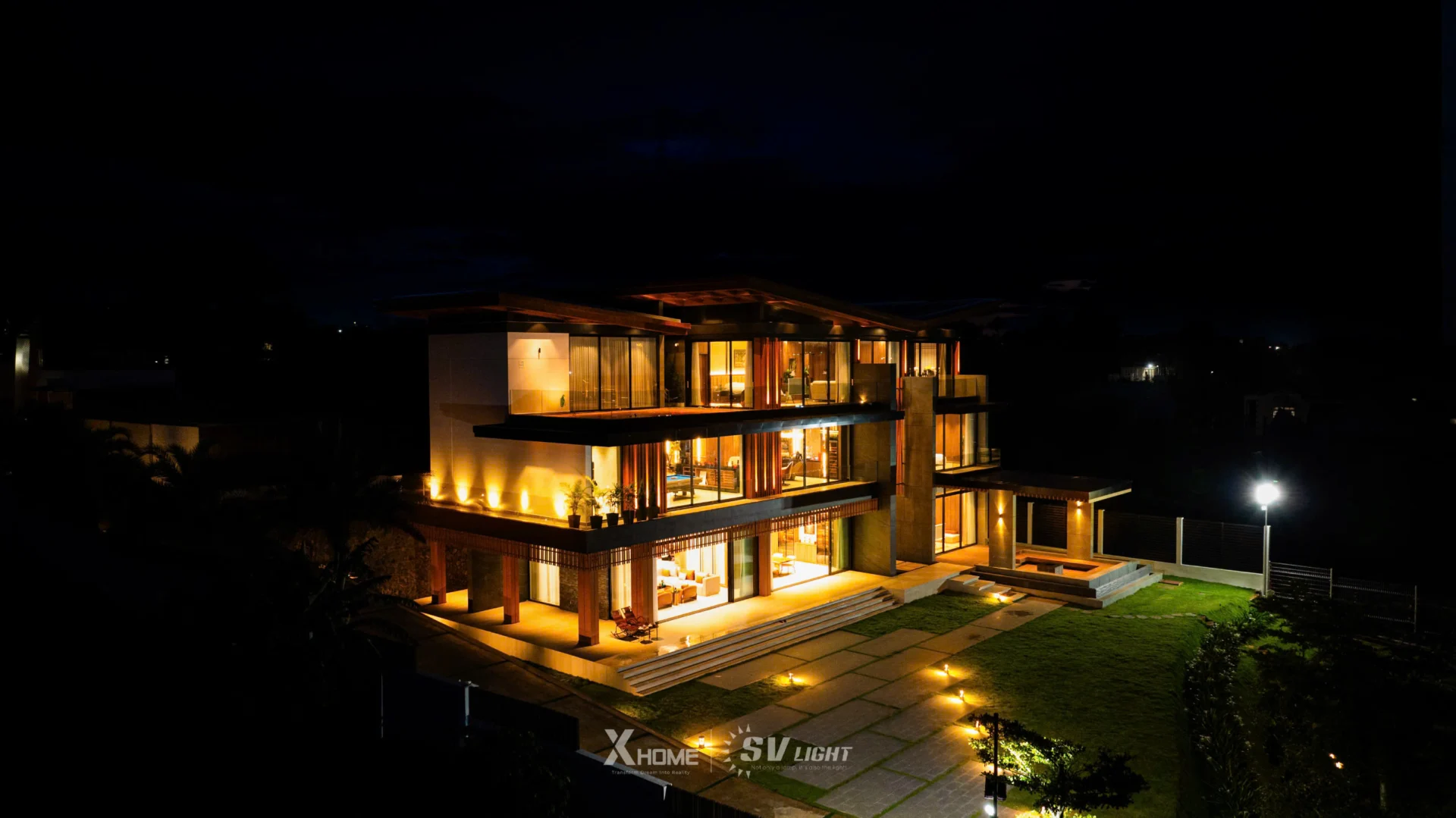
Downlights and spotlights are widely used in interior lighting, but they typically serve different purposes. Downlights provide a base layer of illumination, while spotlights draw attention to artwork, materials and architectural features. This guide focuses on recessed ceiling fittings: both can sit within the same ceiling design, yet their contribution to the room depends on […]
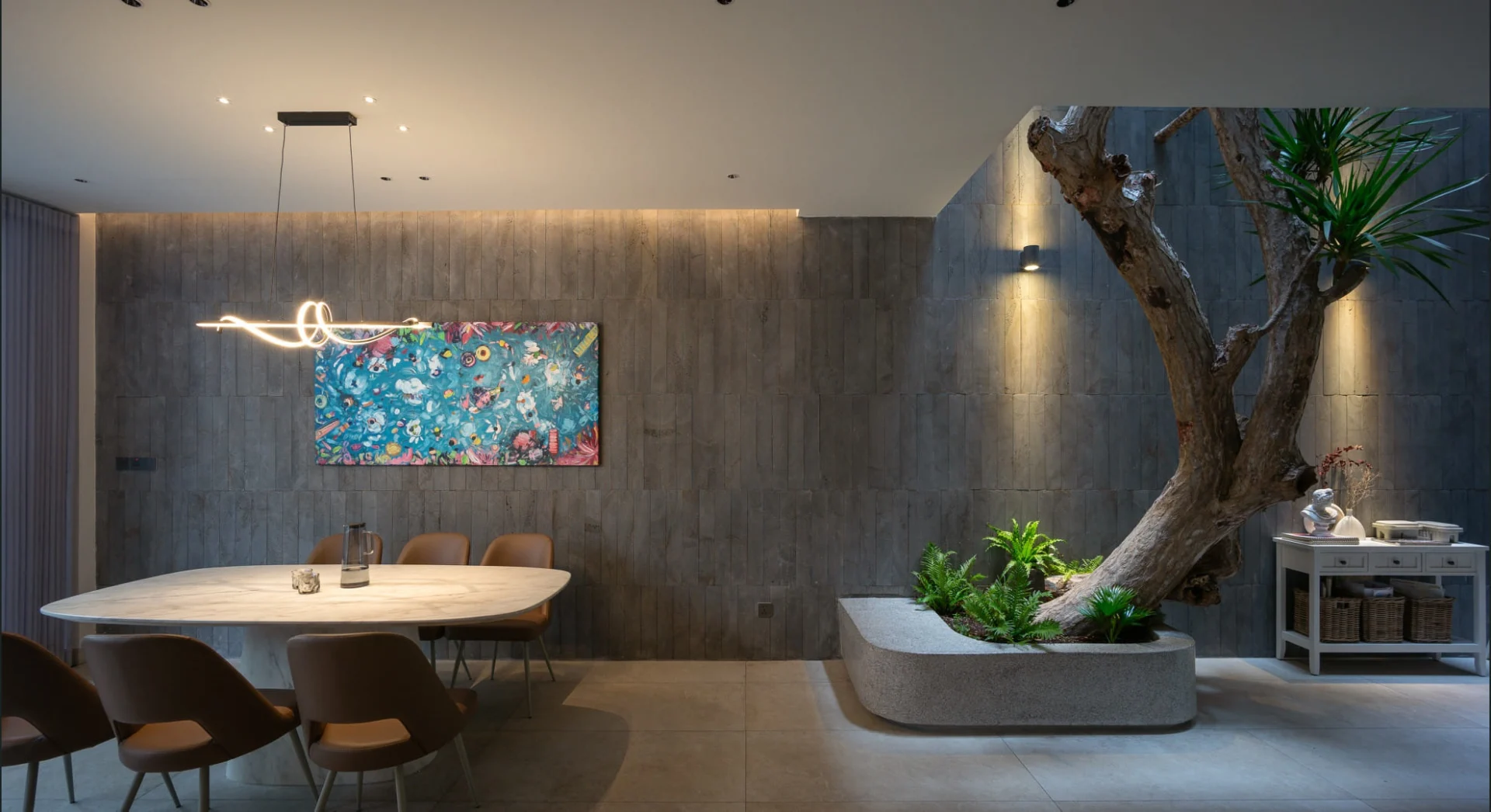
In interior design, lighting is more than just a tool that helps us see. It is a “language of emotion” — quietly shaping mood, perception, and the overall quality of human experience in every moment. Among all lighting specifications, CCT (Correlated Color Temperature) and CRI (Color Rendering Index) are the two core factors that determine […]

Những năm gần đây, xu hướng sở hữu nhà ở nghỉ dưỡng tránh xa ồn ào nơi phố thị đang ngày càng được ưa chuộng.
In recent years, the trend of owning vacation homes away from the hustle and bustle of the city has become increasingly popular.
This article shares insights from Mr. Damian de Wind, Project Lighting Director at Mondoluce, about the journey of transforming retail lighting methods in the context of shopping centers adopting a customer-centric approach, focusing on people, their needs, and the overall experience.
Light plays a crucial role in creating engaging environments, enhancing our living experiences.
In recent years, the trend of owning vacation homes away from the hustle and bustle of urban life has become increasingly popular.