

What Is CRI? How to Choose LED Lights for Interiors | SVLight
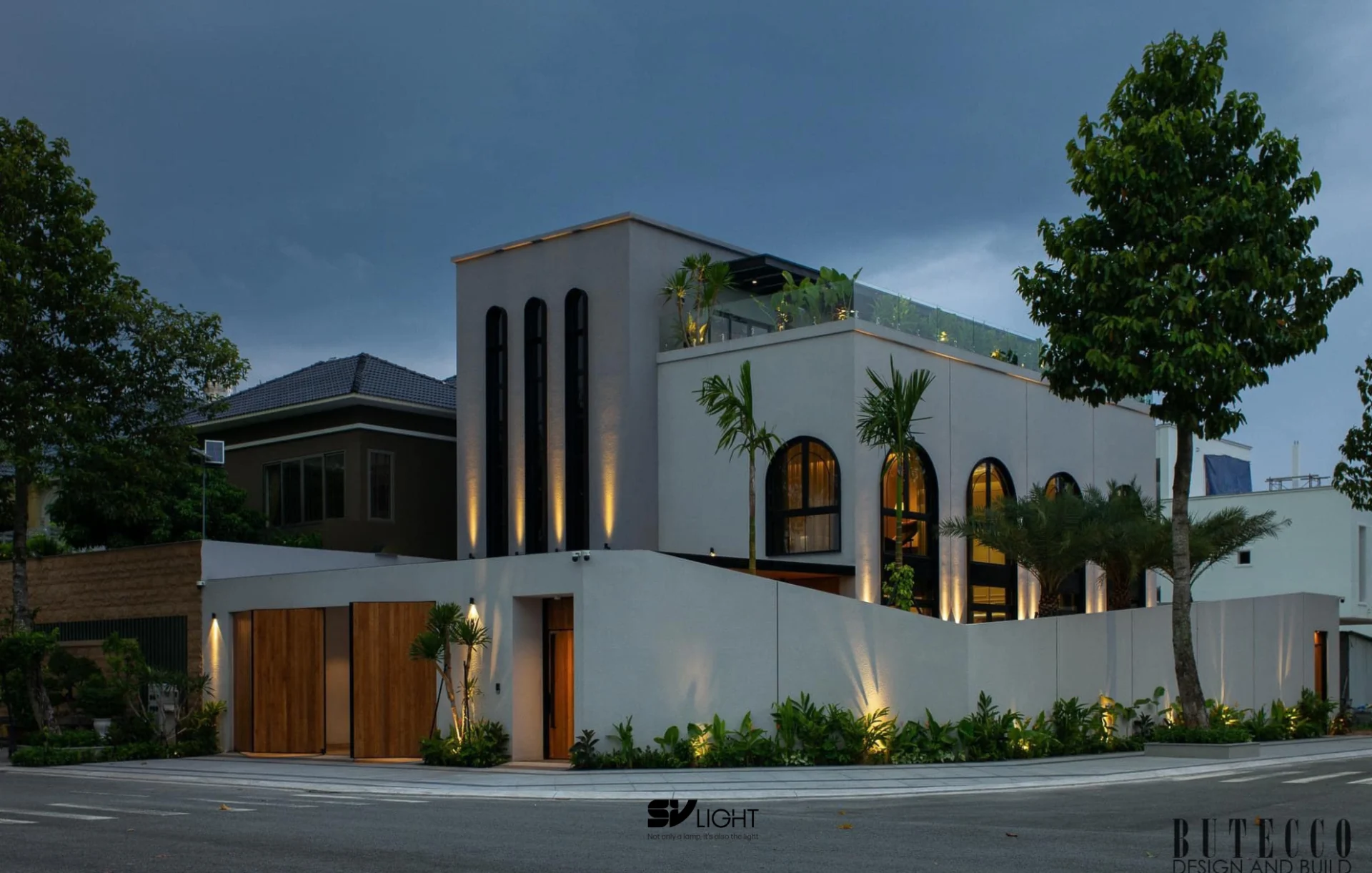
Color Rendering Index (CRI) is one of the important specifications to consider when selecting LED lighting for interior spaces, especially in areas where accurate color appearance is essential, such as artwork, wooden wall panels, natural stone, fabrics, and displayed products. Even a well-designed interior featuring beautiful materials and a carefully planned lighting layout may fail to achieve the desired effect if the light source significantly alters the perceived colors of objects.
In villa, hotel, and interior showroom projects, architects frequently encounter questions such as: Are LED lights with a CRI above 90 really necessary? What is the difference between CRI 97 and CRI 90? Why can two luminaires with the same color temperature make wood, fabrics, or artwork appear different?
To make an appropriate selection, it is essential to understand what the Color Rendering Index measures, its limitations, and how to evaluate lighting quality using actual material samples. This article explains these factors and introduces several SVLight luminaires with published color rendering specifications.
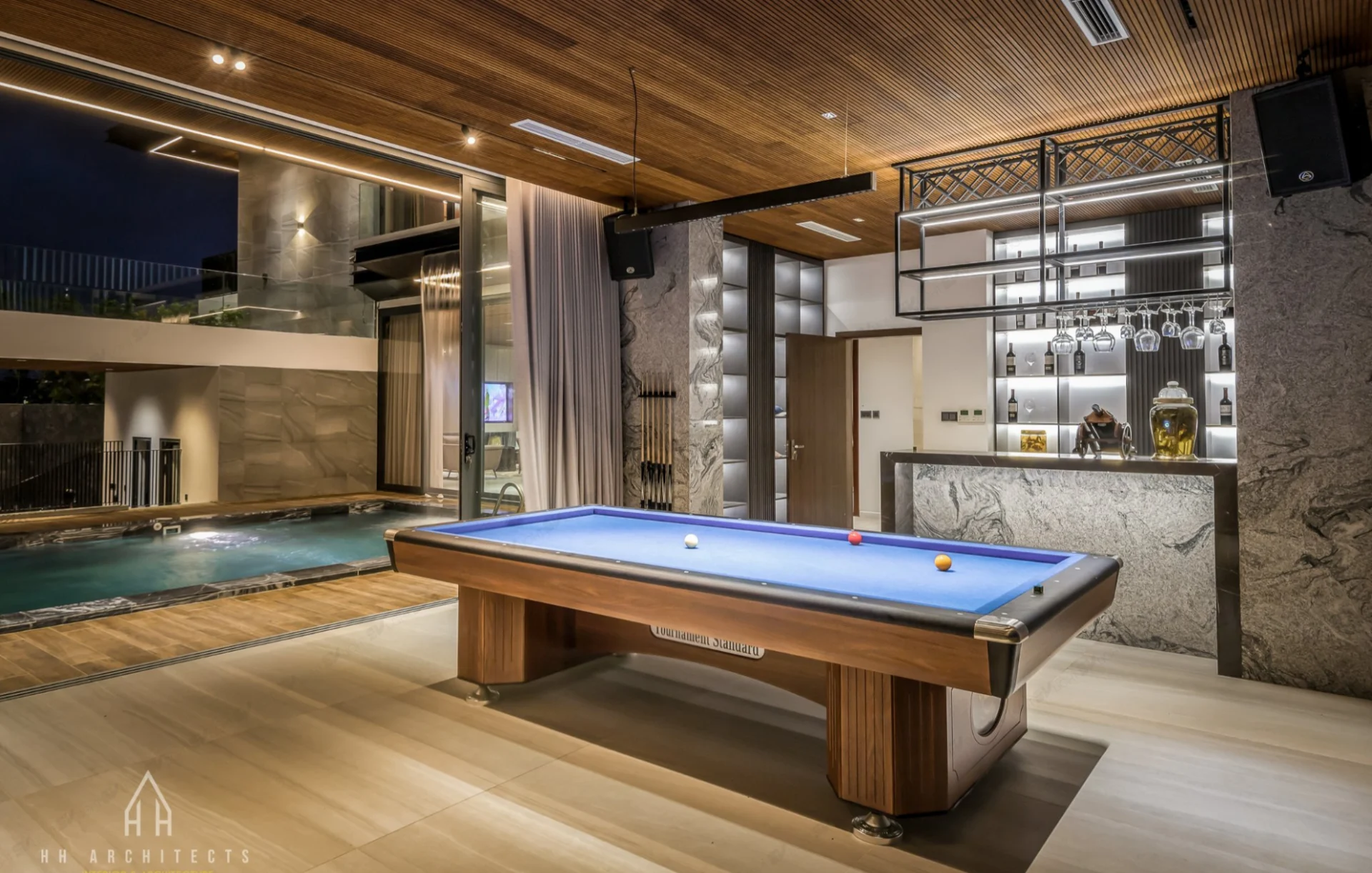
What Is the Color Rendering Index (CRI)?
CRI (Color Rendering Index) is a metric used to evaluate how the colors of objects appear under a light source compared with a reference illuminant of a similar color temperature. In LED lighting specifications, the commonly reported value is Ra, also known as the general color rendering index.
Generally, a higher CRI value indicates that colors are rendered more closely to those under the reference illuminant according to this measurement method. However, a high CRI does not mean that every color is reproduced perfectly, nor does it automatically guarantee that the lighting will look attractive or suit every interior material.
What Does the Color Rendering Index of LED Lights Indicate?
The color rendering index of LED lights reflects how accurately a light source renders the colors of standardized test samples. The Ra value is calculated as the average of eight standard color samples with moderate saturation, rather than measuring every possible color found in interior environments.
The following CRI ranges can be used as general references:
| CRI/Ra Value | General Assessment | Design Considerations |
|---|---|---|
| Below 80 | Lower color rendering performance compared with higher CRI categories | Requires careful evaluation in spaces where color recognition is important |
| 80 to below 90 | May meet the requirements of many general lighting applications | Evaluate according to functionality and project requirements |
| 90 to below 95 | High color rendering performance according to the CRI method | Worth considering for illuminating interior materials and decorative features |
| 95 and above | Very high average color fidelity according to CRI | Additional color data and sample testing are still recommended |
These ranges are intended as general guidelines rather than mandatory standards for every project. For example, recessed downlights with CRI above 90 may be prioritized in spaces where color rendering quality is important, but not every secondary or utility area necessarily requires the same level of color rendering performance.
For materials containing red tones, skin tones, fabrics, or highly saturated colors, the R9 value or spectral data should also be examined when available. A high Ra value alone is not sufficient to confirm that all saturated reds will be rendered accurately.
What Is the Difference Between CRI and Color Temperature?
CRI and color temperature are two different lighting specifications, although both influence how light and interior materials are perceived.
Correlated Color Temperature (CCT) is measured in Kelvin (K) and describes the warm or cool appearance of white light. For example, 3000K typically produces a warm white appearance, while 4000K has a more neutral white tone.
Meanwhile, the Color Rendering Index evaluates how a light source renders object colors compared with a reference illuminant. A 3000K LED light may have a Ra value of 80 or 97, and a 4000K LED light may also be available with different color rendering ratings.
Therefore, when selecting lighting for artwork or interior materials, architects should not focus solely on whether the light is 3000K or 4000K. CCT, CRI, illuminance, beam angle, and optical characteristics should be evaluated together to determine the actual lighting effect.
Why Is CRI Important for Artwork and Interior Material Lighting?
Artwork, wood, stone, and fabrics all have distinct color characteristics. In interior design, materials are often carefully selected from the concept development stage through sample approval. However, the final colors perceived by occupants are also influenced by the light sources illuminating these surfaces.
An appropriate lighting solution not only provides sufficient illumination but also helps present colors in a way that aligns with the intended design. This is why the Color Rendering Index should be considered when selecting accent lighting and display lighting fixtures.
Poor Color Rendering Can Make Artwork and Materials Look Different from Expectations
A painting containing red, green, or intermediate color tones may appear different under two LED light sources. Similarly, the same wood sample may look lighter, darker, or slightly different in tone when illuminated by light sources with different spectral characteristics.
In spaces where aesthetic quality is a priority, these changes can cause finishing materials to appear inconsistent with previously approved samples. Clients may believe that the wood or paint color is incorrect, even though part of the difference may result from the lighting conditions.
However, not every color discrepancy should be attributed to CRI. Color temperature, brightness, surface reflectance, and natural light can also influence visual perception. For paintings protected by glass or polished stone surfaces, luminaire positioning and aiming direction also determine the level of reflected glare.
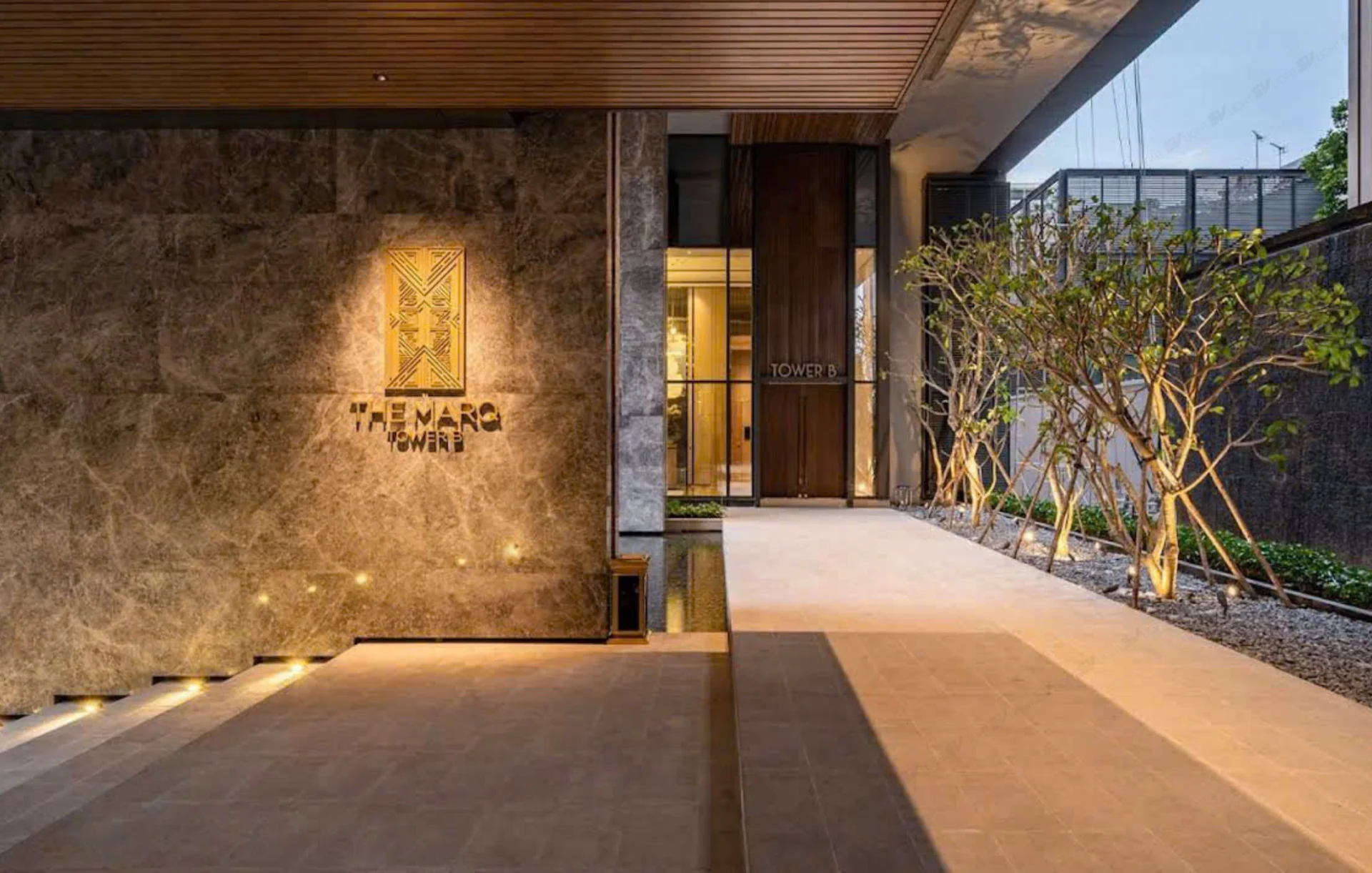
Areas Requiring Accurate Color Perception: Artwork, Wood, Stone, and Fabrics
Art galleries, material libraries, interior showrooms, and product display spaces often have higher requirements for accurate color perception. In these applications, the color rendering performance of artwork lighting and material display lighting should be included in the luminaire selection criteria from the early design stages.
For artwork, attention should be paid to how important colors within the composition are rendered. For natural wood, the visibility of grain patterns and color tones should be evaluated. For stone, the base color, veining, and surface reflections should be examined. For fabrics, the appearance of red, blue, beige, or gray tones may influence customers’ purchasing decisions.
In these situations, CRI 97 spotlights or high-CRI track lights with verified color rendering specifications may be considered. At the same time, the beam angle, illuminance, and installation position must be selected according to the dimensions and characteristics of the illuminated object.
For example, the SVLight SVS-1075 Spotlight is specified with Ra 97 and beam angle options of 15°, 24°, 36°, and 55°. This model can be considered when controlling the illuminated area on artwork or decorative materials. However, the actual beam angle should be selected based on object dimensions and lighting distance.
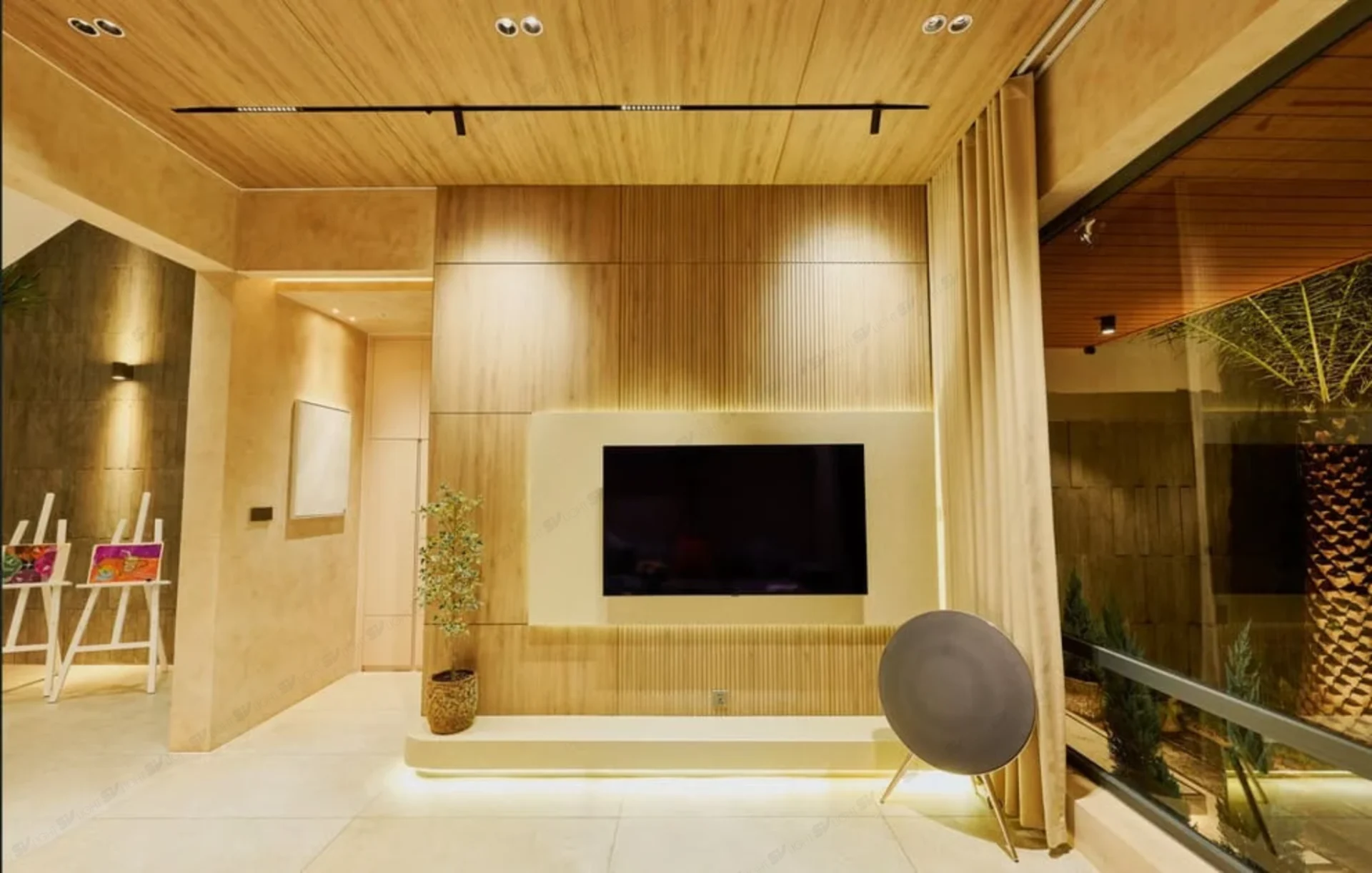
When Should High-CRI Lighting Be Prioritized in Interior Showrooms?
When selecting CRI for interior showrooms, it is important to determine the role of lighting in the customer experience. If a showroom displays sofas, curtains, wood, stone, tiles, or products available in multiple color variations, accurate color rendering becomes an important selection criterion.
Using high-CRI lighting for interior showrooms can help customers observe product colors more closely to how they would appear under a reference illuminant. However, lighting quality is not determined by CRI alone. Brightness levels, uniformity, glare, and actual usage conditions should also be evaluated.
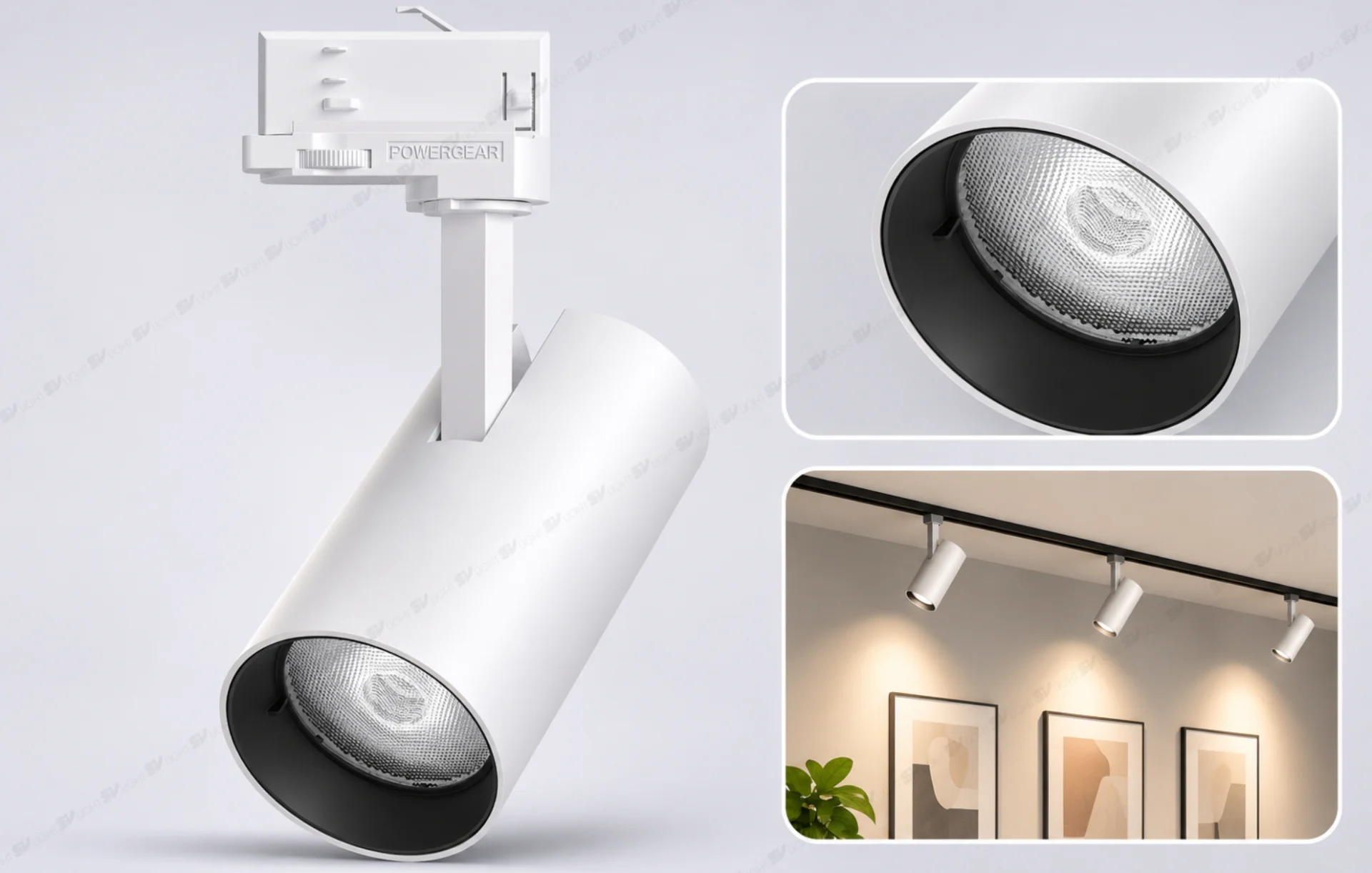
For showrooms where display areas change seasonally or according to different collections, high-CRI track lighting is worth considering because it allows the lighting direction to be adjusted. Architects may refer to the SVC-R25B Track Light, rated at 25W, with Ra above 90 or Ra 97 options and beam angles of 15°, 24°, or 38°, according to SVLight’s published specifications.
Additionally, the SVS-R25 Track Light has a power rating of 25W and an adjustable beam angle range of 15°–60°. It also offers Ra above 90 or Ra 97 configurations. These specifications provide useful references when designing display lighting systems that require flexible aiming and beam coverage.
For luminaire series offering multiple CRI options, the exact configuration should be confirmed through the corresponding datasheet or technical documentation. It should not be assumed that every version within the same product series achieves Ra 97.
How to Evaluate and Select High-CRI LED Lights
Selecting high color rendering LED lights should not be based solely on the CRI number printed in a product catalogue. For projects requiring strict lighting quality control, architects should review technical documentation, verify the exact product configuration, and test samples before placing orders.
Verify the CRI Specifications of the Exact Luminaire Model
The first step is to identify the exact product model, wattage, color temperature, beam angle, and optical configuration. A luminaire series may include several different versions. Therefore, CRI specifications published at the product-series level should be checked against the specific configuration selected for the project.
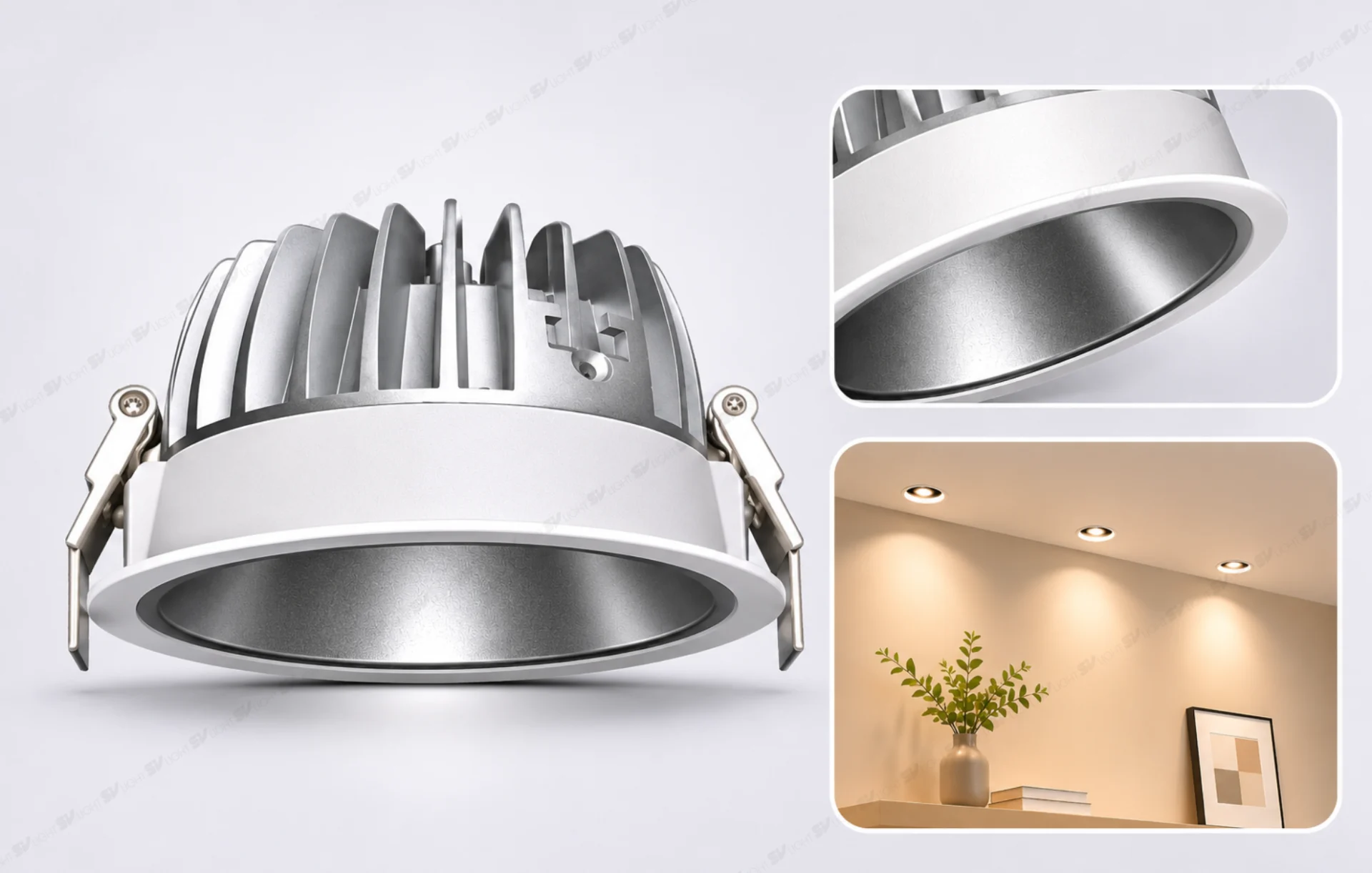
For example, the SVF-3027 Downlight has a power rating of 10W, a 90° beam angle, Ra above 90, and SDCM below 3 according to the SVLight website. This model may be considered for ambient lighting in spaces where interior color rendering quality is a priority.
Meanwhile, the SVS-1075 Spotlight is specified with Ra 97 and SDCM below 3. Differences in beam angle and intended function demonstrate why luminaires should not be compared based on CRI alone. Downlights are generally more suitable for broad light distribution, while spotlights are selected when light needs to be concentrated on a particular area or object.
| SVLight Product | Power | Published CRI/Ra | Published SDCM | Suggested Applications |
|---|---|---|---|---|
| SVF-3027 Downlight | 10W | Ra >90 | <3 | Interior ambient lighting |
| SVS-1075 Spotlight | 10W/12W | Ra 97 | <3 | Artwork, materials, and decorative objects |
| SVC-55KF Spotlight | 6W/9W | Ra >90 / Ra 97 | <3 | Decorative niches and small accent lighting areas |
| SVC-R25B Track Light | 25W | Ra >90 / Ra 97 | <3 | Showrooms and display spaces |
| SVS-R25 Track Light | 25W | Ra >90 / Ra 97 | <3 | Display areas requiring adjustable beam coverage |
Note: The specifications in this table are compiled from SVLight product pages. Ra above 90 and Ra 97 represent published options for certain luminaire series. This does not mean that every product version simultaneously meets both ratings. The exact configuration must be confirmed in the ordering documentation.
What Should You Check When Selecting CRI Above 90 or CRI 97 LED Lights?
When selecting high-CRI luminaires, related specifications should be evaluated rather than relying solely on Ra. In projects with demanding color requirements, additional data can help distinguish between two light sources that both achieve high CRI ratings but produce different visual results on actual materials.
Key Specifications to Check in the Datasheet
- CRI/Ra: Average color rendering performance according to the CRI measurement method.
- CCT: Correlated color temperature of the exact luminaire version.
- R9: Additional color rendering data for applications involving saturated red colors.
- TM-30: Metrics such as Rf and Rg, when provided by the manufacturer, for a more detailed assessment of color fidelity and gamut.
- Luminous Flux and Beam Angle: Specifications related to light distribution and illumination levels.
- SDCM: Color tolerance information, useful for controlling consistency between multiple luminaires.
- Configuration Code: Selected wattage, LED chip, driver, optical accessories, and product version.
This information is particularly useful when designing lighting for premium interior showrooms, material display areas, or artwork exhibitions. However, not every project requires a complete set of advanced color metrics. The level of evaluation should be proportional to the actual requirements of the project.
Test Luminaire Samples on Actual Materials Before Ordering
Practical testing is an important step in verifying the performance of high-CRI lighting. Two luminaires with Ra above 90 may still produce different color appearances due to differences in their spectral characteristics and light distribution.
For projects involving high-value materials, actual samples of wood, stone, fabrics, paint colors, or display objects should be prepared for direct evaluation. If the project includes a display area, luminaires should be tested in a representative installation environment rather than evaluated only under office lighting or through catalogue images.
A suggested testing procedure includes:
- Prepare the key materials and colors used in the project.
- Select sample luminaires with verified specifications and configurations.
- Position the luminaires at distances, aiming directions, and beam angles similar to the actual installation conditions.
- Control illuminance and ambient lighting to avoid misleading comparisons caused by different brightness levels.
- Evaluate colors directly from the usual viewing positions.
- Record the luminaire model, color temperature, color rendering data, and approved sample results before placing an order.
If photographs are taken for project owner approval, camera angle, white balance, and exposure settings should remain consistent between tests. Smartphone photographs with automatic color processing should only be used as references and cannot replace direct observation of actual materials.
Understanding the Difference Between CRI and SDCM Color Consistency
When reviewing LED lighting specifications, another value frequently appears alongside CRI: SDCM. Both metrics relate to the color quality of light, but they address different aspects of lighting performance.
For projects using multiple luminaires simultaneously, checking only the Color Rendering Index may not be sufficient. Several luminaires can have high color rendering performance while still producing light with slightly different color appearances if color consistency is not properly controlled.
CRI Measures Color Rendering, While SDCM Measures Light Color Consistency
CRI evaluates color fidelity through comparison with a reference illuminant. Meanwhile, SDCM (Standard Deviation of Color Matching) relates to the chromaticity tolerance of emitted light and is commonly expressed in terms of MacAdam ellipse steps.
A lower SDCM value indicates tighter control over color variation within the specified measurement framework. This information is particularly useful when selecting multiple luminaires installed close together or illuminating the same large surface.
| Criteria | CRI / Ra | SDCM |
|---|---|---|
| Purpose | Evaluates the color rendering performance of a light source | Evaluates the chromaticity tolerance of emitted light |
| Basic Interpretation | Higher values generally indicate better color fidelity according to CRI | Lower values indicate tighter color tolerance |
| Applications | Artwork, materials, and product displays | Multiple luminaires installed close together or illuminating the same surface |
| Key Point | High CRI does not guarantee accurate rendering of every color | Low SDCM does not necessarily indicate high CRI |
For example, a lighting system may have a high published CRI while still showing visible color differences between luminaires after installation. Conversely, luminaires with relatively consistent light colors may not necessarily provide the color rendering performance required by the design.
What Should Be Considered When Multiple Luminaires Illuminate the Same Surface?
In showrooms, hotel lobbies, or villas with large wall surfaces, multiple luminaires are often arranged in sequence to create continuous illuminated areas. In these situations, even small differences in light color may become more noticeable on uniform surfaces such as white walls, light-colored stone, or flat ceilings.
To minimize these differences, luminaires should preferably have the same color temperature, belong to the same product series, and feature appropriately controlled color tolerances. For projects with demanding requirements, group installation samples should be tested, and color consistency criteria should be confirmed before purchasing large quantities.
The SVF-3027 Downlight, SVS-1075 Spotlight, and certain SVLight track lighting series are specified with SDCM below 3. This is a useful reference when selecting lighting equipment for areas containing multiple light sources. However, actual color consistency also depends on the exact product configuration, installation conditions, and quality control processes.
It is especially important to distinguish between the color appearance of the emitted light and the appearance of materials illuminated by that light. SDCM does not replace CRI, and neither metric eliminates the need to evaluate actual materials under project-specific lighting conditions.
Checklist for Selecting High Color Rendering Lighting for Architectural Projects
- Identify the objects and important colors that need to be accurately represented.
- Select an appropriate CRI level according to the intended application and design requirements.
- Review R9 or TM-30 data if the project requires advanced color evaluation.
- Verify the datasheet for the exact luminaire model, wattage, color temperature, and configuration.
- Check SDCM when multiple luminaires are used within the same area.
- Conduct practical tests on wood, stone, fabrics, and other important surfaces.
- Keep records of approved specifications and samples for comparison during delivery, installation, and final inspection.
The Color Rendering Index is an important specification, but it is not the only criterion for evaluating lighting quality. For artwork, interior materials, and showroom lighting, architects should assess CRI alongside color temperature, optical performance, color consistency, and the actual characteristics of the space.
Selecting the right luminaire is not simply about choosing the product with the highest CRI number. It involves identifying a light source that supports the intended appearance of colors and materials. Reviewing datasheets and testing luminaires on actual materials before finalizing an order can help reduce the risk of color discrepancies after project completion.
Get Expert Advice on High Color Rendering LED Lighting from SVLight
For villa, hotel, showroom, and exhibition projects, SVLight assists architects and design professionals in exploring suitable lighting configurations based on architectural drawings, materials, and lighting objectives. To select the appropriate equipment, it is recommended to prepare floor plans, material photographs, and color rendering requirements for each area before discussing lighting solutions.
Explore our lighting products and contact SVLight for professional lighting design consultation tailored to your project.
SUNSHINE VIETNAM TRADING JOINT STOCK COMPANY
Branch 1: No. 08, B4 Street, An Khanh Ward, Ho Chi Minh City, Vietnam
Branch 2: No. 116 Truong Chinh Street, Kim Lien Ward, Hanoi, Vietnam
Hotline: 0985 85 86 98
Email: svlight.vn@gmail.com
Website: svlight.vn
Facebook 1: SVLight
Facebook 2: SVLight Ho Chi Minh City
Other News
Trimmed and trimless recessed lights are two options commonly considered by architects when designing interior lighting. While trimmed recessed lights create a defined edge where the fixture meets the ceiling, trimless recessed lights provide a seamless, minimalist appearance by reducing visible technical details on the architectural surface. However, choosing between these two types of lighting […]
Interior showroom lighting not only meets the needs of visibility and circulation but also helps highlight the shapes, colors, and materials of individual products. A well-planned lighting system can help customers clearly appreciate sofa upholstery, wood grain, stone surfaces, and important design details. In particular, showrooms frequently change their displayed products according to new collections […]
How to position artwork lighting directly affects how clearly artwork can be viewed and how an interior space is perceived. A beautiful painting can become a focal point in a villa living room, hotel corridor, or exhibition area. However, if the lighting position is unsuitable, it may cast shadows from the frame, create uneven illumination, […]
3000K and 4000K lighting are two popular color temperature options in interior lighting design. While 3000K generally produces a warm white appearance, 4000K provides a more neutral white light. However, choosing between these two color temperatures is not simply a matter of deciding between yellowish and white light. It also requires careful consideration of functionality, […]
Spotlight beam angle determines the spread of a light beam and affects the illuminated area on artwork, decorative objects, interior shelves, and display spaces. At the same installation distance, a 15° beam angle can produce a significantly smaller illuminated area than a 36° or 55° beam angle. Therefore, selecting the right spotlight should begin with […]
Downlights and spotlights are widely used in interior lighting, but they typically serve different purposes. Downlights provide a base layer of illumination, while spotlights draw attention to artwork, materials and architectural features. This guide focuses on recessed ceiling fittings: both can sit within the same ceiling design, yet their contribution to the room depends on […]
In interior design, lighting is more than just a tool that helps us see. It is a “language of emotion” — quietly shaping mood, perception, and the overall quality of human experience in every moment. Among all lighting specifications, CCT (Correlated Color Temperature) and CRI (Color Rendering Index) are the two core factors that determine […]

Những năm gần đây, xu hướng sở hữu nhà ở nghỉ dưỡng tránh xa ồn ào nơi phố thị đang ngày càng được ưa chuộng.
In recent years, the trend of owning vacation homes away from the hustle and bustle of the city has become increasingly popular.
This article shares insights from Mr. Damian de Wind, Project Lighting Director at Mondoluce, about the journey of transforming retail lighting methods in the context of shopping centers adopting a customer-centric approach, focusing on people, their needs, and the overall experience.
Light plays a crucial role in creating engaging environments, enhancing our living experiences.
In recent years, the trend of owning vacation homes away from the hustle and bustle of urban life has become increasingly popular.