

How to Position Artwork Lighting to Reduce Glare | SVLight
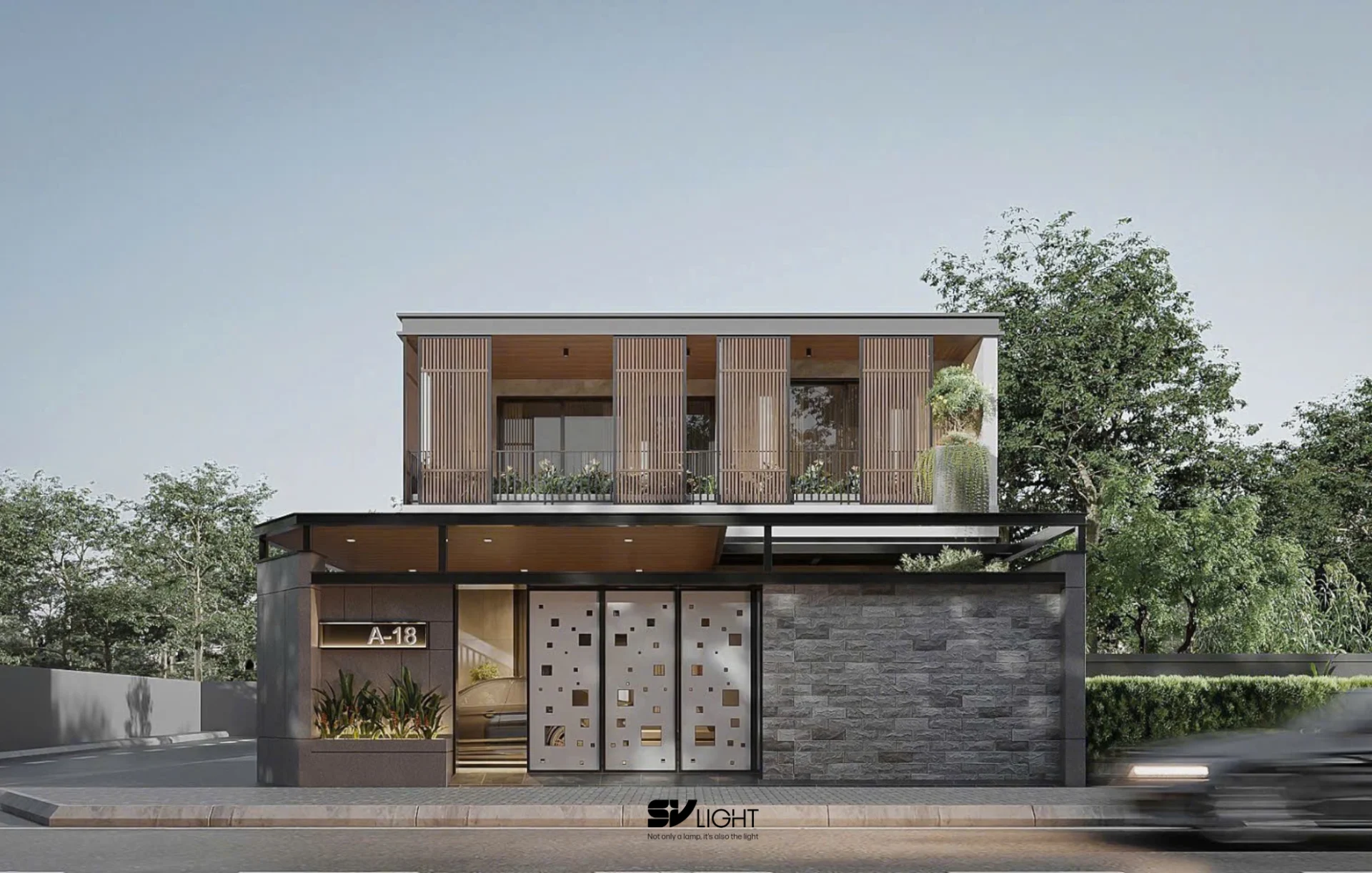
How to position artwork lighting directly affects how clearly artwork can be viewed and how an interior space is perceived. A beautiful painting can become a focal point in a villa living room, hotel corridor, or exhibition area. However, if the lighting position is unsuitable, it may cast shadows from the frame, create uneven illumination, or produce reflections on the glass that make details difficult to see.
This is particularly important for framed artwork with protective glass, glossy paintings, or highly reflective surfaces. Simply increasing the wattage of the luminaire will not solve these problems. Architects need to consider the installation position, distance, aiming direction, beam angle, and actual viewing angles together.
So, how should spotlights be positioned for artwork to highlight the piece while minimizing glare and reflections? The following principles provide practical guidance for site surveys, luminaire selection, sample testing, and final project inspection.
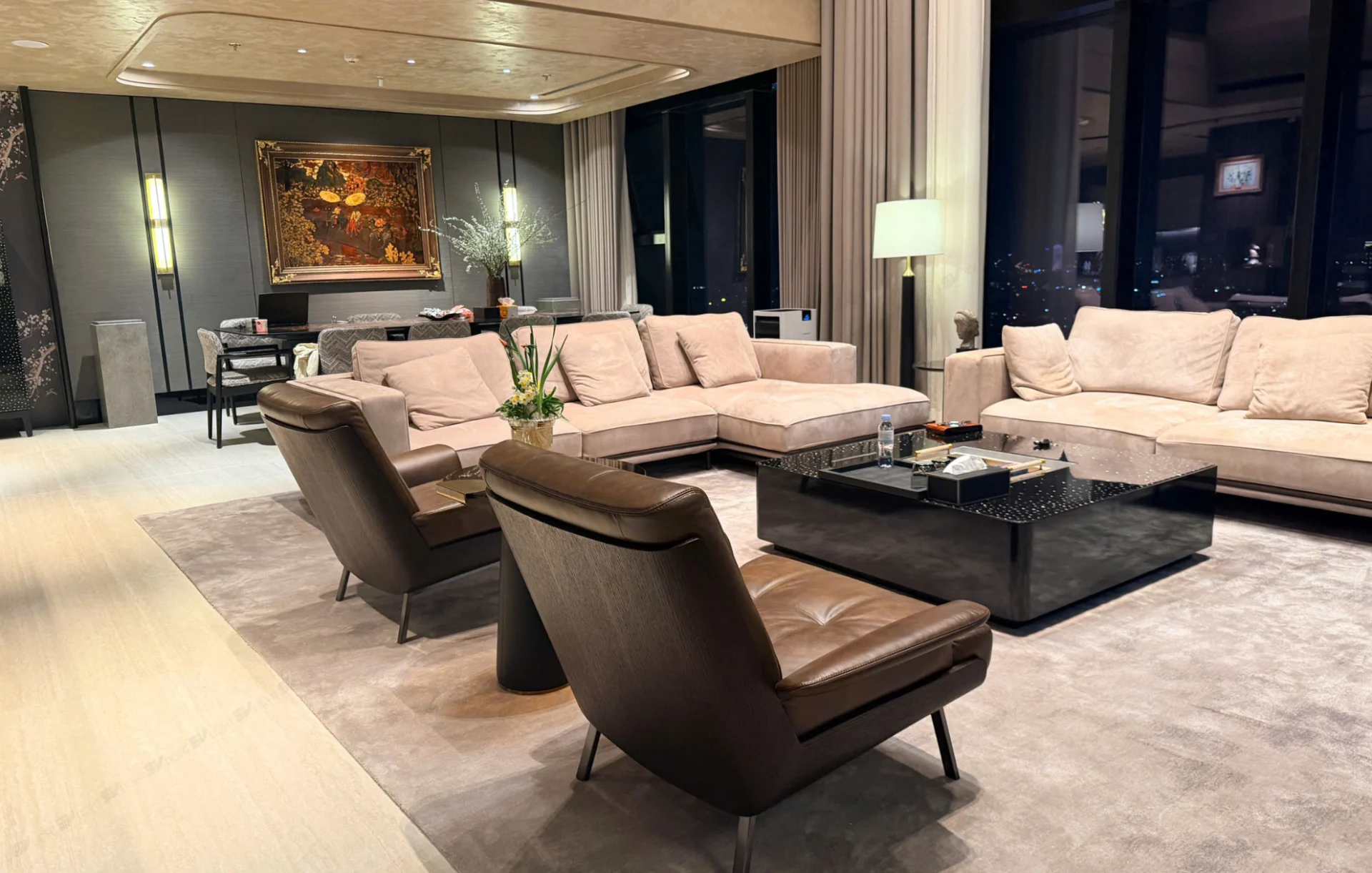
What Should Be Assessed Before Positioning Artwork Lighting?
Before deciding how to position artwork lighting, it is essential to assess both the artwork and its installation environment. Factors such as dimensions, surface finish, hanging height, ceiling height, and circulation routes will influence the lighting position and overall lighting strategy.
This assessment should be carried out during the interior design stage, particularly when recessed spotlights are planned, as ceiling cutout positions and electrical installations often need to be finalized before ceiling construction is completed.
Artwork Dimensions, Materials, and Surface Finishes
Every artwork has different dimensions and surface characteristics. An unglazed canvas painting generally requires a different approach to reflection control than artwork protected by glass. Glossy oil paintings, deep frames, and textured artworks also produce distinct reflection and shadow effects.
During the site survey, architects should record the artwork’s width, height, frame depth, and center position. For glazed artwork, potential reflections from windows, ceiling lights, and other bright surfaces in the room should also be assessed.
Artwork dimensions also influence beam angle selection. A small painting may require a concentrated beam, while a larger piece may need wider coverage or multiple light sources to prevent noticeable differences in brightness.
Artwork Placement and Viewing Angles
In addition to artwork dimensions, it is important to identify where viewers typically stand or sit. In a villa living room, artwork may be viewed from the sofa, entrance, or main seating area. In hotel corridors, viewing angles change continuously as guests move through the space.
A particular artwork lighting installation position may work well when viewed from directly in front of the painting but produce unwanted reflections from another angle. Therefore, the most important viewing positions should be identified before the lighting design is finalized.
For artwork displayed above a sofa or console table, the lighting should be evaluated from the eye level of a seated viewer. The objective is to highlight the artwork without allowing direct light or reflected images of the luminaires to cause visual discomfort.
Natural Light and Ambient Lighting
Natural light entering through windows, glazed doors, and skylights can change the illumination level on artwork throughout the day. For glazed artwork, bright windows may also appear as reflections on the surface.
During the assessment, both daytime lighting conditions and the ambient lighting system used in the evening should be examined. Even a well-positioned spotlight may become less effective if the artwork is constantly affected by reflections from a large window or a decorative light source on the opposite side of the room.
The contrast between the artwork and its surrounding wall should also be considered. Accent lighting should create an intentional focal point without producing excessively bright areas that draw attention to glare rather than the artwork itself.
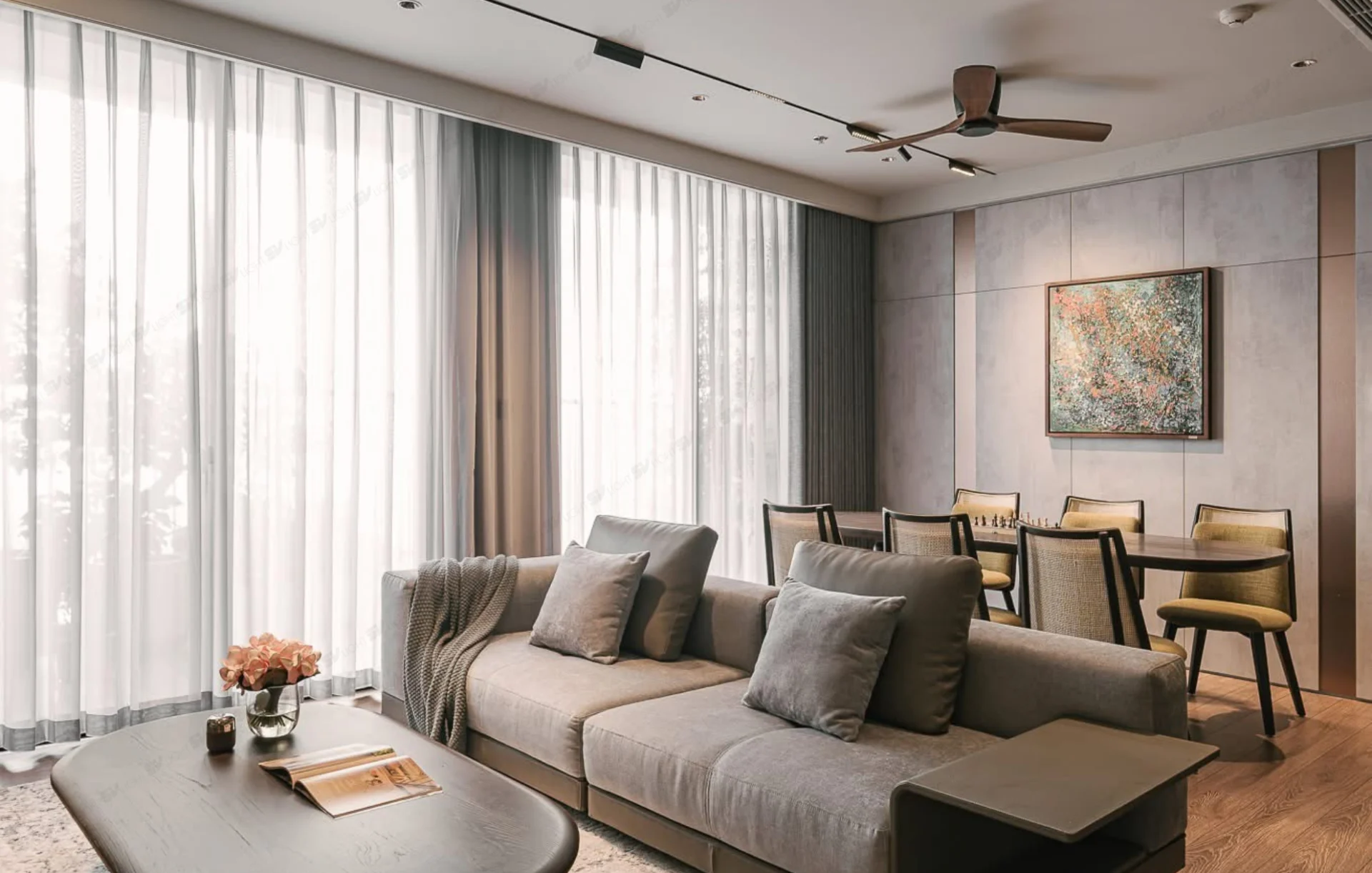
Which Type of Lighting Should Be Used for Artwork?
Two commonly considered solutions are adjustable recessed spotlights and track lighting for artwork. Each offers different advantages in terms of aesthetics, adjustability, and flexibility when display arrangements change.
Luminaire selection should not be based solely on wattage. Other important factors include aiming flexibility, beam angle, Color Rendering Index (CRI), color temperature, luminous flux, and available glare-control accessories.
When Should You Choose Adjustable Recessed Spotlights?
Adjustable recessed spotlights are suitable when artwork positions are relatively fixed and architects want to maintain a clean, uncluttered ceiling appearance. These luminaires are installed within the ceiling, while their adjustable heads allow the light to be directed toward the artwork.
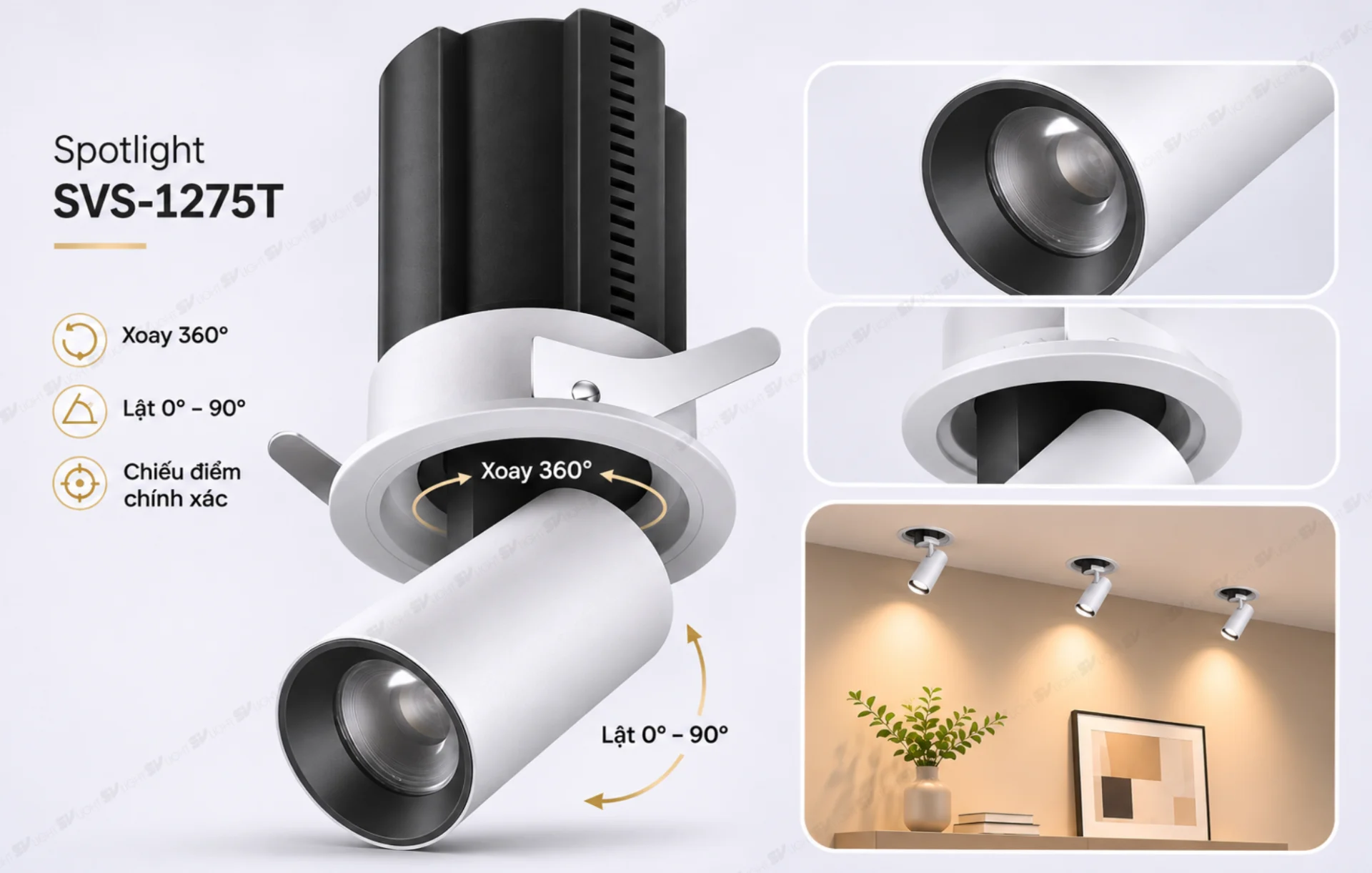
For villa living rooms or private display areas, architects may consider the SVLight SVS-1275T Adjustable Spotlight. This model has a power rating of 12W, beam angle options of 15°, 24°, and 36°, and color temperature options of 2700K, 3000K, 4000K, and 6000K.
Its adjustable design allows the lighting direction to be fine-tuned after installation. However, the mechanical adjustment limits of the selected model must be checked against the proposed installation position and distance. This helps avoid situations where the ceiling cutout has already been made but the luminaire cannot be aimed accurately at the center of the artwork.
For projects with demanding artwork color requirements, architects should also verify the CRI/Ra value and color temperature of the specific luminaire configuration before ordering.
When Should You Choose Track Lighting for Artwork?
Track lighting for artwork is a suitable solution for spaces where the position or number of artworks changes frequently. Track-mounted luminaires can be repositioned and redirected within the limits of the lighting system.
In interior showrooms, exhibition corridors, or collection display areas, track lighting gives architects greater flexibility when changing artwork arrangements. However, the track position relative to the wall should be calculated in advance to achieve suitable aiming angles and minimize reflections toward viewers.
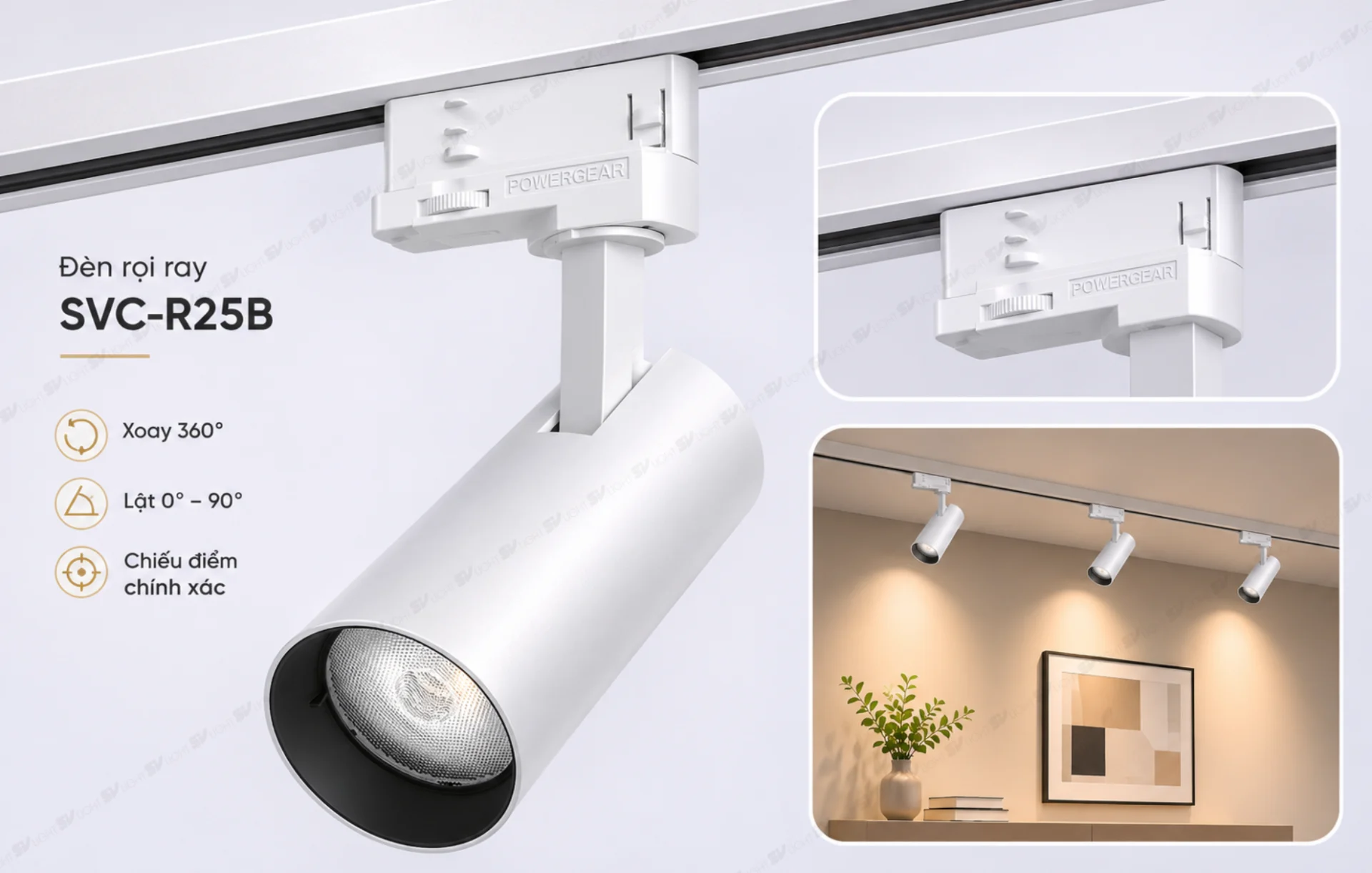
SVLight offers the SVC-R25B Track Light, rated at 25W with beam angle options of 15°, 24°, and 38°. According to its published specifications, the luminaire supports 350° rotation and 90° tilting, allowing flexible aiming in display environments.
Ceiling height, appropriate illumination levels, and compatibility with the track system should also be verified. A 25W rating does not automatically mean the luminaire is suitable for every small artwork or close viewing distance.
Determining the Installation Position and Distance for Artwork Lighting
To develop an effective artwork lighting layout, the relationship between the ceiling, artwork surface, and viewer position must be established. The distance between the luminaire and the artwork affects the size of the illuminated area, while the aiming direction influences shadows and potential reflections.
There is no single artwork lighting distance that applies to every project. The installation position should be calculated according to ceiling height, artwork center position, luminaire optics, and viewing conditions.
The Relationship Between Luminaire Position, Beam Coverage, and Artwork Size
The beam angle, distance to the artwork surface, and aiming direction work together to determine the actual illuminated area. With the same beam angle, a greater distance generally produces wider coverage, although illuminance may decrease.
In a simplified situation where the light beam strikes a flat surface perpendicularly, the nominal beam diameter can be estimated using the following formula:
D ≈ 2 × L × tan(θ/2)
Where D is the estimated beam diameter, L is the distance from the luminaire to the surface along the beam axis, and θ is the luminaire’s beam angle.
For example, at a beam-axis distance of 2 m, the nominal beam diameters for 15°, 24°, and 36° beam angles are approximately 0.53 m, 0.85 m, and 1.30 m, respectively. These values are geometric estimates intended for preliminary selection, not actual photometric measurements of a specific luminaire.
When a luminaire illuminates wall-mounted artwork at an oblique angle, the illuminated area may become elliptical, and illuminance may not be distributed uniformly. Therefore, beam angle selection should be supported by photometric documentation or direct sample testing.
It is also important to distinguish between the luminaire beam angle and the angle of incidence on the artwork. Beam angle describes the spread of the light beam, while the angle of incidence describes the direction at which light reaches the artwork surface. These two parameters are not interchangeable.
Adjusting the Aiming Direction to Minimize Shadows
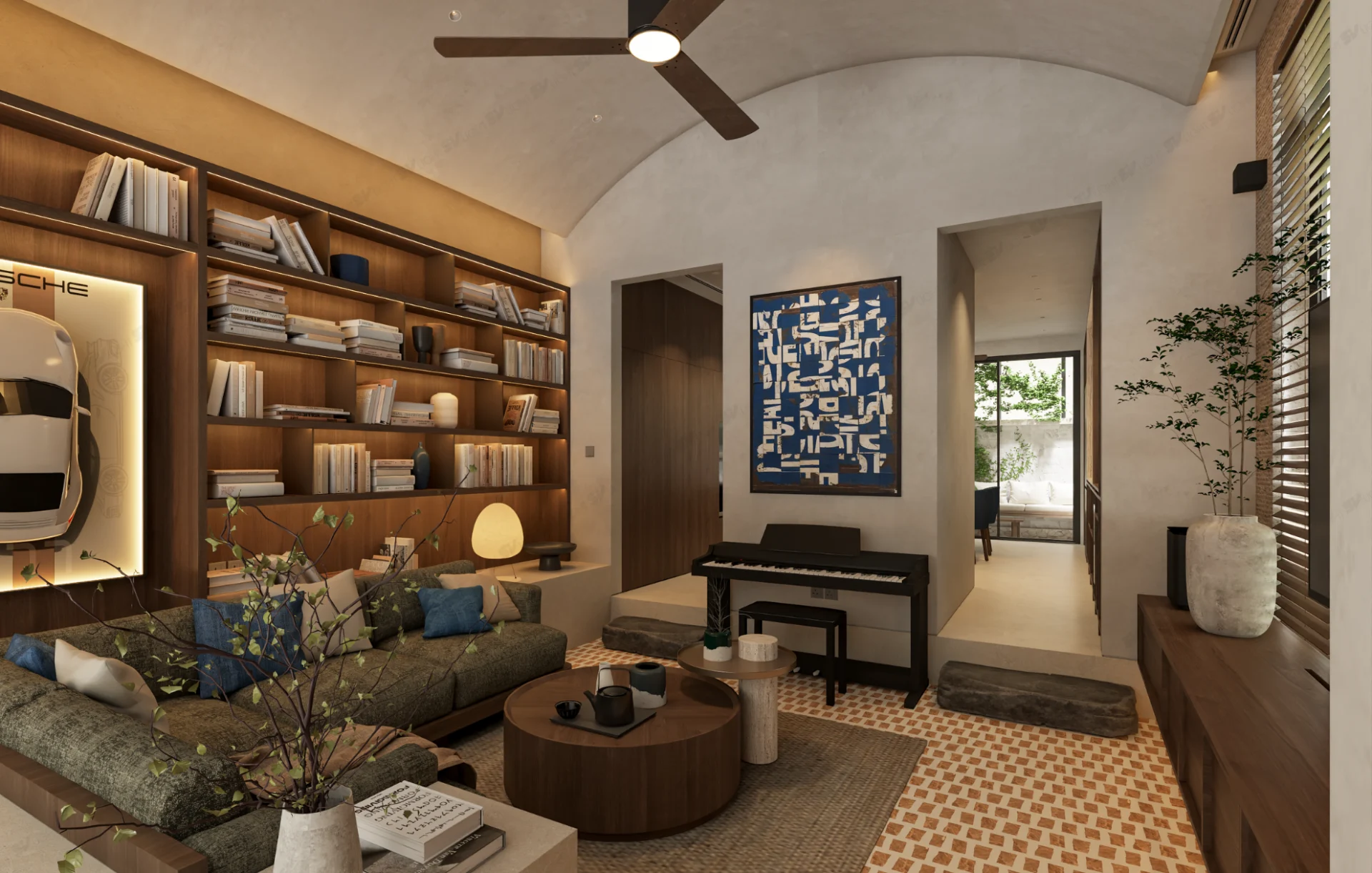
When a luminaire is installed too close to the wall or aimed incorrectly, the artwork frame may cast shadows across the piece. Conversely, excessively oblique illumination can emphasize raised textures, create uneven brightness, or increase the risk of glare from certain viewing positions.
In artwork lighting design, an aiming angle of approximately 30° from the vertical is commonly used as an initial reference. This is a general guideline in museum lighting, not a rule requiring every artwork to be illuminated from the same position.
For example, with a ceiling height of 3 m and the artwork center positioned 1.5 m above the floor, an aiming angle of 30° from the vertical gives an estimated horizontal distance of approximately 0.87 m between the luminaire and the wall. The actual distance should be adjusted according to luminaire depth, artwork thickness, and the fixture’s aiming limitations.
For artwork with deep frames or textured surfaces, several aiming directions should be tested to evaluate shadows. For larger artworks, multiple luminaires may be considered to improve light distribution, while avoiding excessively bright areas where beams overlap.
Checking Reflections on Glass from Typical Viewing Positions
Reflections on glazed artwork occur when light from luminaires or surrounding bright objects is reflected toward the viewer’s eyes. As a result, viewers may see bright spots, reflected images of the luminaires, or streaks of light on the glass instead of the artwork’s details.
To evaluate these reflections, avoid standing only directly beneath the luminaire or viewing the artwork from a single position. Observe the piece from sofas, walkways, doorways, and other locations where occupants are likely to view it.
If distracting reflections are visible, consider adjusting the aiming direction, repositioning the luminaire, changing the beam angle, or introducing suitable glare-control solutions. For highly reflective surfaces, it may sometimes be necessary to reconsider the overall lighting layout rather than simply rotating one luminaire.
Reflection Inspection Steps Before Final Project Acceptance
- Switch on the lighting system under normal operating conditions.
- Observe the artwork from typical standing and seated viewing positions.
- Identify bright spots or reflected images that interfere with visibility.
- Test adjustments to the aiming direction and luminaire position within the permitted range.
- Recheck beam coverage, shadows, and illumination uniformity across the entire artwork.
- Record the approved configuration and installation position for final inspection and acceptance.
Importantly, anti-reflective glass or glare-control accessories should not be assumed to eliminate every reflection. The result also depends on luminaire positioning, glass characteristics, surrounding bright surfaces, and viewing angles.
Examples of Spotlight Placement for Decorative Artwork in Villas
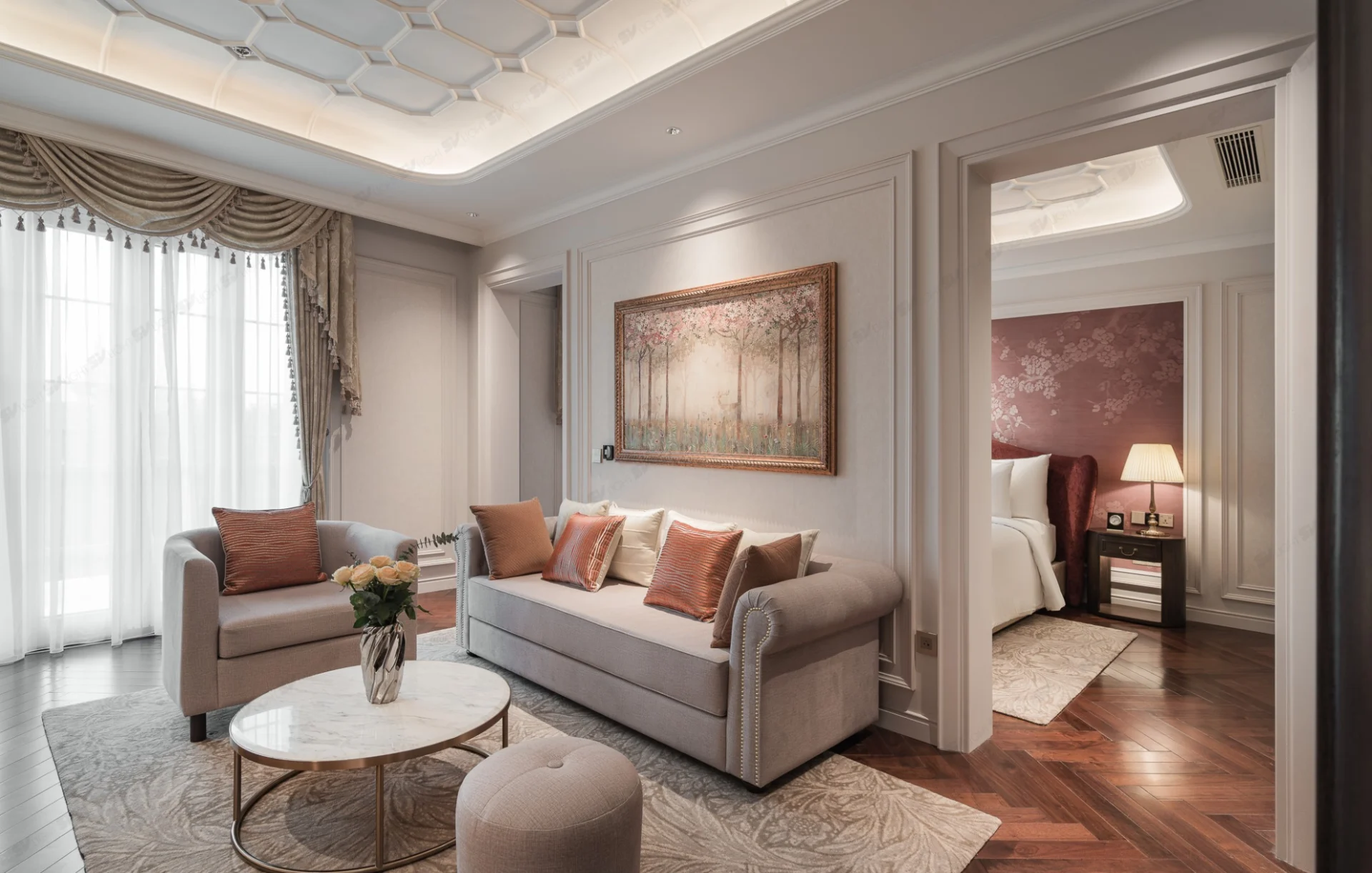
In villa interiors, decorative artwork is often displayed in living rooms, corridors, entrance halls, or feature wall areas. Spotlight placement for decorative artwork in villas should complement the ceiling architecture, interior materials, and other lighting layers within the room.
The following two examples provide initial guidance for architects before conducting practical lighting tests.
Spotlight Lighting for a Single Painting
For a decorative painting above a sofa, one adjustable recessed spotlight may be sufficient if the artwork dimensions, ceiling height, and beam angle allow appropriate coverage. The luminaire position should be determined according to the artwork’s center and the viewing direction from the seating area.
For example, for a painting approximately 80 cm wide, an architect may begin by testing a 24° or 36° beam angle with a suitable luminaire. However, the final selection must be based on the actual installation distance and measured beam coverage. It cannot be determined accurately from the artwork width alone.
For glazed artwork, the lighting should be evaluated from the sofa to ensure that reflections do not obscure the image. If further control is required, the luminaire position or aiming direction can be adjusted within the equipment’s mechanical limits.
The SVS-1275T Spotlight may be included in the sample testing process thanks to its adjustable aiming mechanism and multiple beam angle options. Illuminance and reflections should be checked after trial installation before finalizing the configuration.
Spotlight Lighting for Groups of Artwork or Display Walls
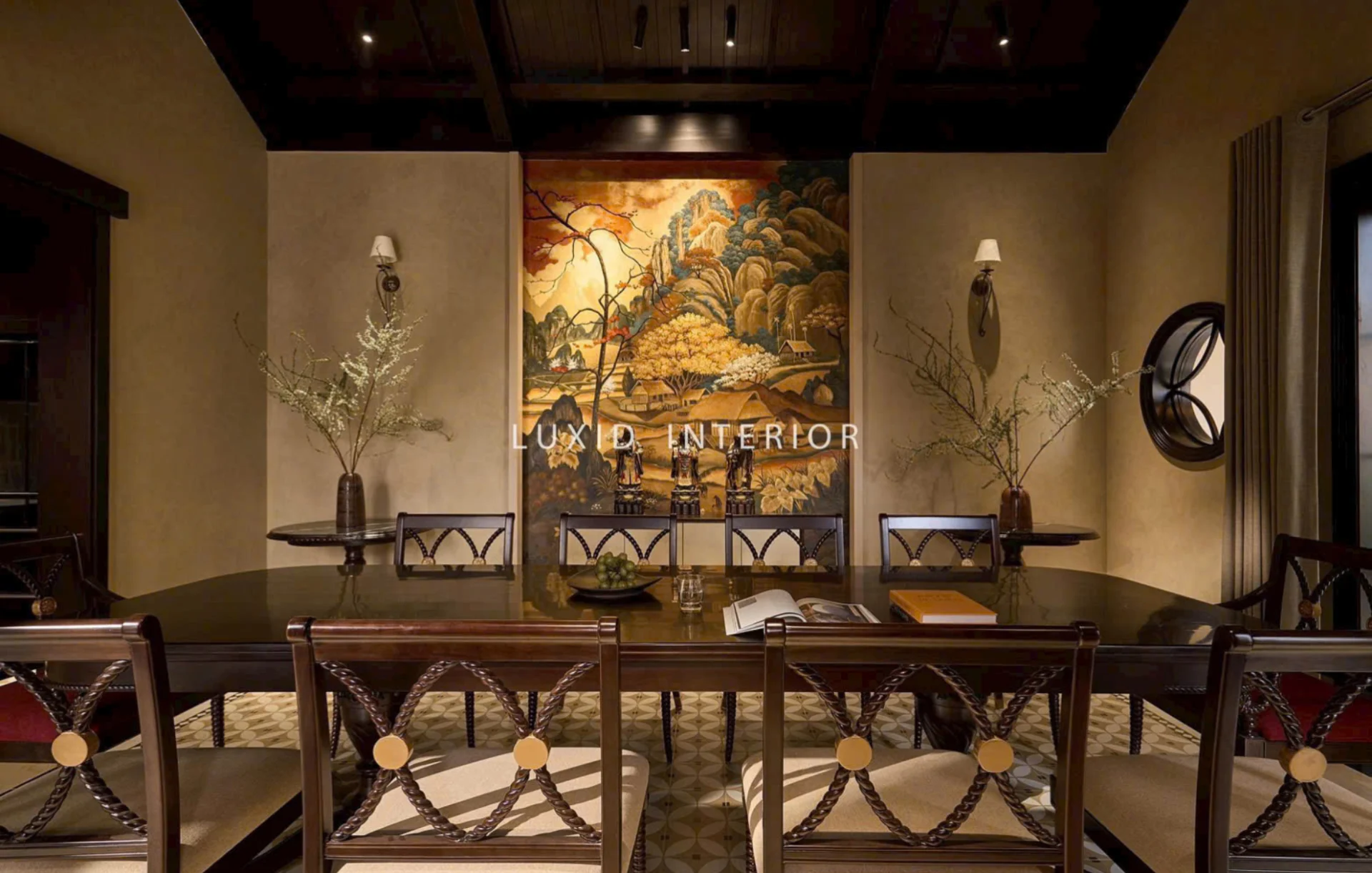
When several paintings are displayed side by side, the objective is not only to highlight each piece but also to maintain visual balance across the entire wall. If spotlights have excessively narrow beam angles or are positioned incorrectly, dark areas or overlapping bright spots may appear between artworks.
In spaces where artwork is changed frequently, track lighting provides greater flexibility. For fixed display walls in villas, adjustable recessed spotlights can maintain a clean ceiling appearance, but their installation positions must be carefully planned during the design stage.
When multiple luminaires illuminate the same wall, consistency in color temperature and color rendering performance should be evaluated. It is also important to check whether overlapping beams create excessively bright areas or reflections on glazed artwork.
For track lighting systems, architects may consider the SVLight SVC-R25B when testing accent lighting for individual artworks. If the number or dimensions of paintings change, luminaire positions and aiming directions should be readjusted to maintain lighting quality.
Artwork Lighting Placement Checklist for Architects
- Identify the artwork’s dimensions, surface characteristics, and hanging height.
- Record the main viewing directions and typical standing or seated positions.
- Assess natural light and surrounding ambient lighting sources.
- Choose adjustable spotlights or track lighting according to the intended application.
- Determine installation positions, distances, and beam angles based on artwork dimensions.
- Test aiming directions to identify frame shadows, reflections, and glare.
- Evaluate the lighting from actual viewing angles before final acceptance.
- Record the approved luminaire model, configuration, and aiming direction.
For artworks requiring conservation, including works on paper, photographs, pieces containing light-sensitive pigments, or objects made from special materials, additional factors such as illuminance levels, exposure duration, and professional conservation requirements must be considered. Lighting should not be optimized solely for aesthetic impact.
An effective artwork lighting layout involves more than simply placing a luminaire where it can illuminate a painting. Architects must consider artwork surfaces, dimensions, viewing directions, natural lighting conditions, and luminaire characteristics to achieve appropriate beam coverage.
For glazed artwork in particular, checking reflections from typical viewing positions before finalizing the design and completing project acceptance is an essential step. A carefully tested lighting arrangement helps artwork stand out while maintaining visual comfort throughout the interior space.
Artwork Lighting Consultation with SVLight
For villa, hotel, and exhibition projects, SVLight offers recessed spotlights and track lighting solutions that architects can consider according to their design requirements. Before selecting luminaires, it is recommended to prepare floor plans, ceiling heights, artwork dimensions, material photographs, and key viewing positions.
Explore the available products on the SVLight website or contact SVLight for lighting design consultation to identify suitable configurations for your project.
SUNSHINE VIETNAM TRADING JOINT STOCK COMPANY
Branch 1: No. 08, B4 Street, An Khanh Ward, Ho Chi Minh City, Vietnam
Branch 2: No. 116 Truong Chinh Street, Kim Lien Ward, Hanoi, Vietnam
Hotline: 0985 85 86 98
Email: svlight.vn@gmail.com
Website: svlight.vn
Facebook 1: SVLight
Facebook 2: SVLight Ho Chi Minh City
Other News
Trimmed and trimless recessed lights are two options commonly considered by architects when designing interior lighting. While trimmed recessed lights create a defined edge where the fixture meets the ceiling, trimless recessed lights provide a seamless, minimalist appearance by reducing visible technical details on the architectural surface. However, choosing between these two types of lighting […]
Interior showroom lighting not only meets the needs of visibility and circulation but also helps highlight the shapes, colors, and materials of individual products. A well-planned lighting system can help customers clearly appreciate sofa upholstery, wood grain, stone surfaces, and important design details. In particular, showrooms frequently change their displayed products according to new collections […]
Color Rendering Index (CRI) is one of the important specifications to consider when selecting LED lighting for interior spaces, especially in areas where accurate color appearance is essential, such as artwork, wooden wall panels, natural stone, fabrics, and displayed products. Even a well-designed interior featuring beautiful materials and a carefully planned lighting layout may fail […]
3000K and 4000K lighting are two popular color temperature options in interior lighting design. While 3000K generally produces a warm white appearance, 4000K provides a more neutral white light. However, choosing between these two color temperatures is not simply a matter of deciding between yellowish and white light. It also requires careful consideration of functionality, […]
Spotlight beam angle determines the spread of a light beam and affects the illuminated area on artwork, decorative objects, interior shelves, and display spaces. At the same installation distance, a 15° beam angle can produce a significantly smaller illuminated area than a 36° or 55° beam angle. Therefore, selecting the right spotlight should begin with […]
Downlights and spotlights are widely used in interior lighting, but they typically serve different purposes. Downlights provide a base layer of illumination, while spotlights draw attention to artwork, materials and architectural features. This guide focuses on recessed ceiling fittings: both can sit within the same ceiling design, yet their contribution to the room depends on […]
In interior design, lighting is more than just a tool that helps us see. It is a “language of emotion” — quietly shaping mood, perception, and the overall quality of human experience in every moment. Among all lighting specifications, CCT (Correlated Color Temperature) and CRI (Color Rendering Index) are the two core factors that determine […]
Những năm gần đây, xu hướng sở hữu nhà ở nghỉ dưỡng tránh xa ồn ào nơi phố thị đang ngày càng được ưa chuộng.
In recent years, the trend of owning vacation homes away from the hustle and bustle of the city has become increasingly popular.
This article shares insights from Mr. Damian de Wind, Project Lighting Director at Mondoluce, about the journey of transforming retail lighting methods in the context of shopping centers adopting a customer-centric approach, focusing on people, their needs, and the overall experience.
Light plays a crucial role in creating engaging environments, enhancing our living experiences.
In recent years, the trend of owning vacation homes away from the hustle and bustle of urban life has become increasingly popular.